


Gain access to personalized product screening, the best pricing, rewards, and more!
Create An Account, Or Sign In.
Most Effective Products
Beetle Control: How to Get Rid of Beetles
This page is an expert guide on getting rid of beetles from your property using the products and methods suggested by our experienced pest control specialists. Follow this guide and use the recommended products; we guarantee you will successfully eliminate beetles.
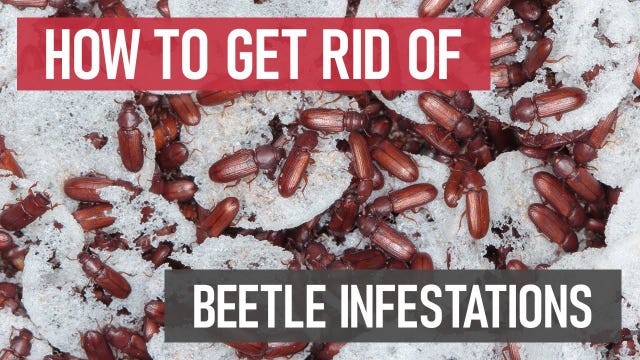
Beetles are a common infestation in and around commercial and residential properties. You will mostly find beetles active at night and flying around outdoor light fixtures. There are many different types of beetle, and depending on the species and tendencies, you can find them anywhere from around your yard, inside furniture, closets, or even your pantry foods.
Beetle infestations usually surface the most in areas with dampness issues or water nearby, as beetles have been known to gravitate towards moisture. The issue must be dealt with immediately, as they pose multiple risks, from damaging wood or plants to contaminating dried foods.
If you are dealing with beetles in your home or yard, we can help. Our treatment guide below offers expert advice on how to get rid of beetles effectively and cost-efficiently.
Identification
Before you can proceed with a treatment program, you must be sure that the insect you are dealing with is a beetle. Careless identification can lead to using the wrong treatment products and waste your time and money.
Beetles are from the largest insect order Coleoptera. There are well over a quarter million species of beetles worldwide. In North America alone, more than 25,000 species have been discovered.

Below are some traits and facts about beetles to aid you with identification:
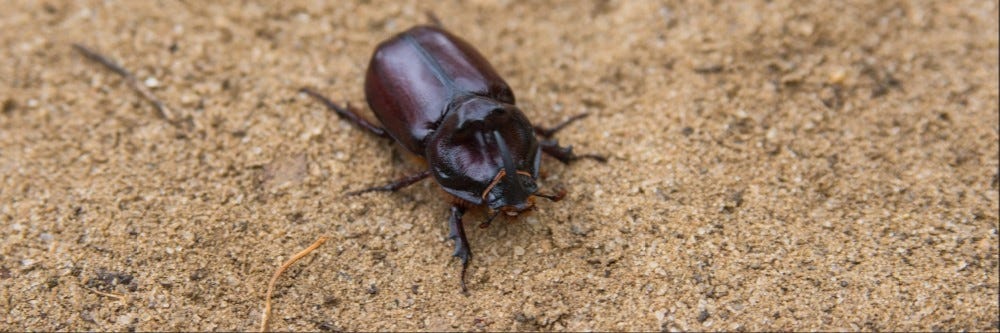
- Because there are so many species of beetles (Asian beetles, Japanese beetles, etc.), they vary in size, shape, and color. However, no matter the species, beetles share the same basic characteristics: shell-like wings, chewing mouthparts, and a pair of antennae.
- Their bodies are usually divided into three main sections: the head, thorax, and abdomen. Beetles often have six legs, jointed and adapted for crawling, digging, or swimming, depending on the species.
- Commonly when mature, these insects have hardened forewings known as elytra. The elytra protect the hind wings, which many beetles use for flight.
- Coloration can range from dull browns and blacks to bright metallic greens, reds, and blues, sometimes with intricate patterns or spots that help them camouflage or warn predators. Sizes vary greatly. Beetles found infesting pantries can be millimeters long, while common outdoor beetles can be several centimeters in length.
- Overall, beetles’ compact, armored bodies and wide variety of colors and shapes make them one of the most visually interesting and recognizable groups of insects.
Use the description and image above to help you properly identify beetles. If you are unsure, contact us, and we will help you with the correct identification.
Inspection
After you have confirmed that you are dealing with beetles, you can inspect them to identify where they are active and what is drawing them to the area.
Your home or yard can become attractive to beetles for several reasons. Some beetles are brought in via stored food products you purchased from the grocery store, others are wood-boring beetles that like the trees outdoors and the wooden furniture inside your home, and others are overwintering pests that make their way indoors when the temperatures are cooler to seek warm shelter.
Where To Inspect
Indoors, inspect your carpets, rugs, furniture, closets, and baseboards. Inspect storage spaces, attics, basements, pantries, and undisturbed areas of your home.
Outdoors, you should check around your yard, especially where there is light, as they may fly around light fixtures at night. If you have a tree in your yard or exposed wood around your property, inspect that as well for wood-boring beetles.
What To Look For
Signs of beetle activity can vary depending on the species, but there are several common indicators to look for.
One of the most noticeable signs is damage to plants, such as holes in leaves, chewed flowers, stems, or fruit, and sometimes wilted or discolored foliage.
For wood-boring beetles, small round or oval holes in wood and fine sawdust or frass near or beneath the wood are clear signs of infestation.
In the soil or compost, disturbed earth, tunnels, or the presence of larvae can indicate beetle activity. Some beetles leave behind droppings or frass, which may appear as tiny pellets on leaves, soil, or wooden surfaces. Soil can be dug up to reveal grubs.
Additionally, beetles may be attracted to lights at night, so an unusually high number of insects around outdoor lights can signal their presence. Finally, finding adult beetles themselves, either crawling on plants, soil, or structures, is an obvious indication that they are active in the area.
Beetles feed on small insects, plants, and animal fibers. They may not pose any deadly threat, but they can cause damage to plants and vegetation around the home, contaminate your food, ruin fabrics, and infest furniture. This is why if beetles are gathering around your home, they must be dealt with as soon as possible.
Treatment
Once you have confirmed beetle activity, it's time to begin treatment. Remember to read all the product labels, follow the application instructions on these labels, and stay safe by wearing personal protective equipment (PPE).
Getting rid of beetles depends on the type of beetle and where they are found, but there are general strategies that work for most infestations.
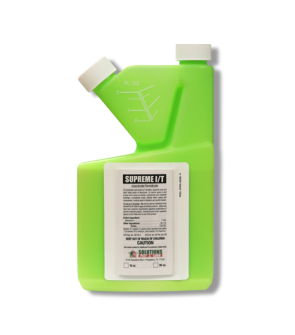
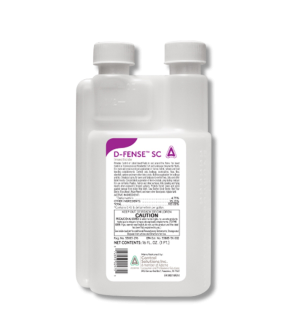
We recommend using a residual insecticide like Supreme IT, which works as a barrier treatment and broadcast application in the yard to keep beetles out of your home. D-Fender Dust Insecticide would also work for general indoor control against most beetle species.
Step 1: Indoor Control with D-Fender Dust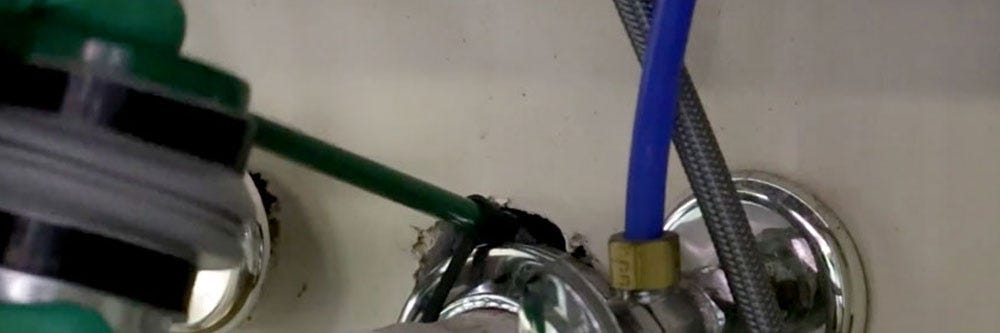
Controlling beetles indoors starts with targeting the areas where they hide and travel, such as cracks, crevices, and baseboards since these places are often out of sight but ideal for these pests.
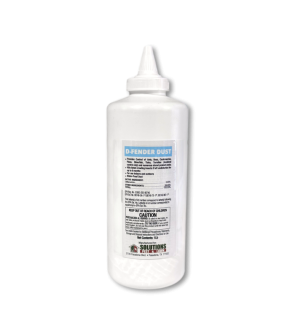
For this kind of focused indoor control, D-Fender Dust is an effective solution, designed to cling to beetles as they crawl, eliminating them at the source and helping prevent reinfestation.
D-Fender Dust is a residual waterproof insecticide dust that creates a 8-month residual barrier against various crawling pests indoors and outdoors.
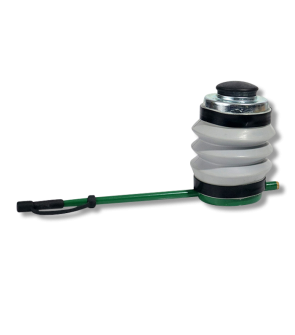
You will need a handheld duster or bulb duster for precise applications in cracks, crevices, and voids.
Determine how much D-Fender Dust to use by measuring the square footage of the treatment area. Find the square footage by measuring the treatment area's length and width in feet, then multiplying them together (length X width = square footage).
Apply at the rate of 1 oz. of D-Fender Dust per 125 square feet (or 1/2 lb. of product per 1000 square feet) for indoor use.
Apply dust along and behind baseboards, to window and door frames, corners, pipes, storage locations, attics, crawl spaces, and other areas where these pests may enter or crawl.
For certain pests like carpet beetles, dust on and under edges of floor coverings, around baseboards, under rugs and furniture, and in closets.
In the home, all food processing surfaces and utensils should be covered during treatment or thoroughly washed before use. Exposed food should be covered or removed.
Clean up wastes materials, dust, dirt, and other debris. Thoroughly treat floors, walls, and other surfaces in storage and handling areas.
Apply dust in cracks and crevices, behind and under cupboards, and other difficult-to-reach areas where insects may hide.
Step 2: Perimeter and Yard Treatment with Supreme IT
 While indoor dusting tackles beetles already inside your home, protecting your home from future invasions starts outside. Many beetles begin their journey in gardens, yards, and around building foundations, so creating a protective barrier is key.
Supreme IT is a bifenthrin-based insecticide concentrate that controls a broad-spectrum of pests indoors and outdoors. Once dried, it creates a 90-day residual barrier that will continue to repel and eliminate pests.
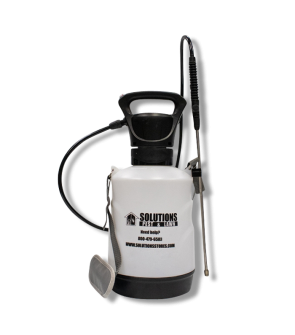
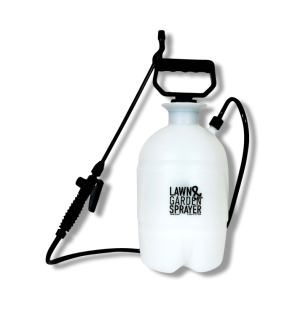
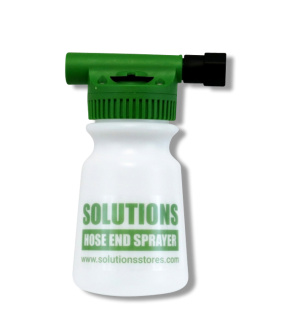
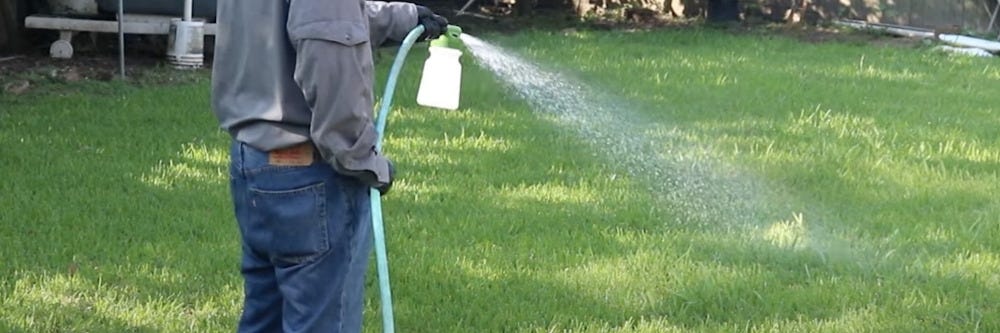
To apply Supreme IT, mix it with water in a handheld pump, backpack sprayer, or hose-end sprayer. We suggest using the Solutions Hose-End Sprayer for treating your entire yard for easier and swifter application.
For general beetle and pest control, apply 1 fl. oz. of Supreme IT per 1 gallon of water per 1,000 sq. ft.
To mix with the Solutions Hose End Sprayer, ensure the water is turned off and remove the sprayer reservoir from the hose-end unit. Pour in the product and mix according to the label instructions, then reconnect the reservoir to the sprayer. Attach the garden hose securely, turn the control valve to the “on” position. When finished, turn off the sprayer and water before disconnecting the reservoir.
Broadcast the Supreme IT mixture across your entire yard, ensuring the top and bottom of leaves are evenly coated. Do not spray to the point of runoff. Use a fan spray setting to get nice uniform coverage.
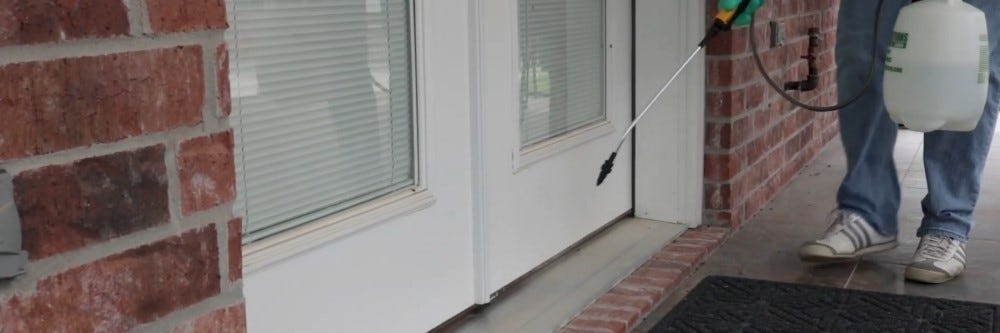
Next, you should spray a perimeter treatment of Supreme around the outside of your home and structure to create a barrier that will keep beetles out. Spray around doors and windows, and 3 feet up the foundation and 6 to 10 feet out on the ground next to the structure, and then spray any other possible entry points.
Keep people and pets away from the treated area until the spray has completely dried.
By treating the foundation, doorways, windows, and surrounding landscaping, you can reduce beetle populations before they reach your indoor spaces, complementing the indoor control achieved with D-Fender Dust.
Prevention
After the beetle activity has ceased, you must ensure it stays that way and doesn’t once again become a camping ground for beetles. Here are some preventive measures to help keep your home beetle-free.
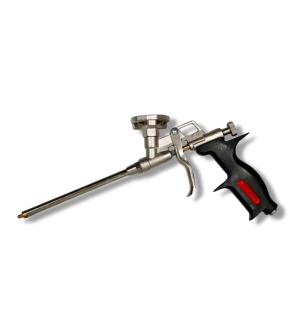
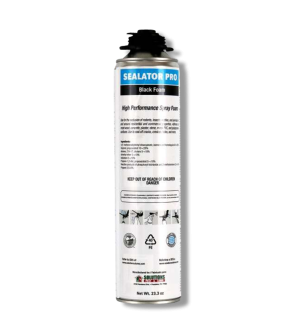
- Preventing beetles is all about making your home and yard less attractive and accessible to them. Start indoors by sealing cracks, gaps, and entry points around windows, doors, baseboards, and pipes with caulk or other appropriate sealant material. We recommend using Solutions Sealator Pro Black Foam, which is a high-expanding, black polyurethane foam designed to seal gaps, cracks, and voids for insulation, pest exclusion, and weatherproofing applications.
- Keep storage areas, closets, and pantries clean and dry, and regularly vacuum to remove debris and potential food sources. For carpets, rugs, and upholstered furniture, rotate and clean regularly to deter carpet beetles. Throw out old or unused dried foods and keep the foods you wish to keep sealed in air-tight plastic containers.
- Outdoors, maintain your yard by removing leaf litter, decaying wood, and other organic debris where beetles can hide or breed. Trim shrubs and vegetation away from the house and avoid overwatering, which creates damp environments that beetles favor. When walls come in contact with trees, beetles, who love wood, find an easier way inside the house.
- Yellow lights can help reduce beetle activity, particularly for flying or nocturnal species that are attracted to standard white or blue lights at night. Installing yellow “bug lights” near entryways, porches, or patios makes these areas less appealing to beetles and serves as an effective preventive measure when used alongside other control strategies.
- Lastly, spray Supreme IT quarterly around your home and yard for continued beetle and insect control. Retreat indoors with D-Fender Dust every 8 months.
Key Takeaways
What are Beetles?
- Beetles are a class of insects known for invading indoor structures and gathering around the perimeter of buildings, particularly at night.
How to Get Rid of Beetles Outside and Indoors
- Eliminate beetle infestations by treating your yard and the barrier of your home with Supreme IT to control the beetle population. To get rid of beetles indoors, use D-Fender Dust.
Preventing Beetle Reinfestation
- Preventing beetles involves making your home and yard less attractive by sealing entry points, maintaining clean and dry indoor spaces, managing outdoor debris, and using tools like Solutions Sealator Pro Black Foam, yellow bug lights, and proper landscaping care. Ongoing control can be maintained with quarterly perimeter applications of Supreme IT and indoor treatments with D-Fender Dust every 8 months.