


Gain access to personalized product screening, the best pricing, rewards, and more!
Create An Account, Or Sign In.
Most Effective Products
How to Clean Your Home After Pesticide Treatment
This page is a general guide on how to clean your home after pesticide treatments. Follow this guide and use the recommended tips and we guarantee you will be able to enter your home without fear successfully.
A lot of homeowners are confronted with the question of whether or not to clean their homes after pesticide treatments. It’s an excellent question because the chemical is placed around treated surfaces and may easily be disturbed if cleaned too soon after application.
This natural response to cleaning ties with the stress and worry from deceased pests, leftover droppings, or possible chemical residue exposure to yourself, pets, and children. Nevertheless, this does not mean you should or shouldn’t clean after a pesticide treatment.
In fact, it may take several days to completely eliminate the pests in your home. For this reason, it will be necessary to perform some cleaning procedures following the pesticide treatment.
Throughout this DIY guide, you will find basic guidelines to follow for cleaning your house after a pest control treatment. Cleaning practices still must follow the specific instructions on your pesticide product label.
Does Cleaning Help to Get Rid of A Pest Infestation
Regular cleaning can help to stop your property from becoming a target for pests, but it will not control them. To get rid of pests, quarterly insecticide applications are recommended.
How to Clean Up After Pest Control Treatment
Wait
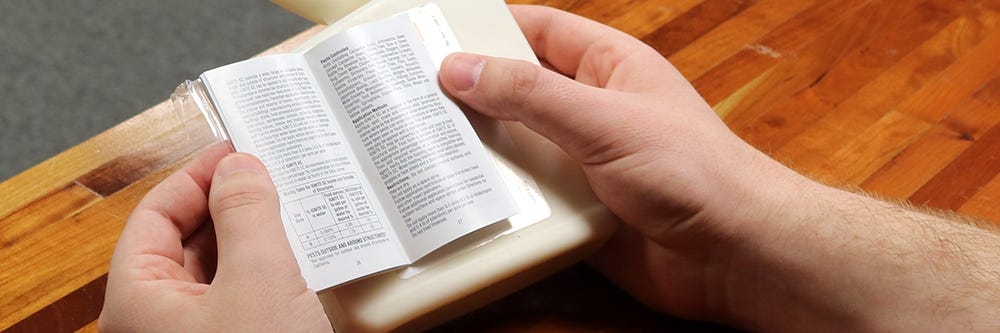 Before you do any cleaning or contact any treated areas, give it some time to dry.
Typically, most pesticides take a few hours to dry, depending on environmental conditions. However, many pesticide materials have specific REI's (Restricted Entry Intervals) stated on the label. It is best to read your specific pesticide label for any specified restricted entry intervals and follow this guidance to be safe and legal.
Restricted entry intervals may just have the abbreviation REI. The REI will show the length of time (hours to days) for people and animals to stay away from treated areas.
Also, be sure to keep children and pets away from these treated areas until the product's restricted entry interval has been met. Once the product has fully dried, the chemical is not as easily absorbable onto the skin.
All safety precautions and restricted entry intervals must be followed on your pesticide product label.
Find A Starting Point
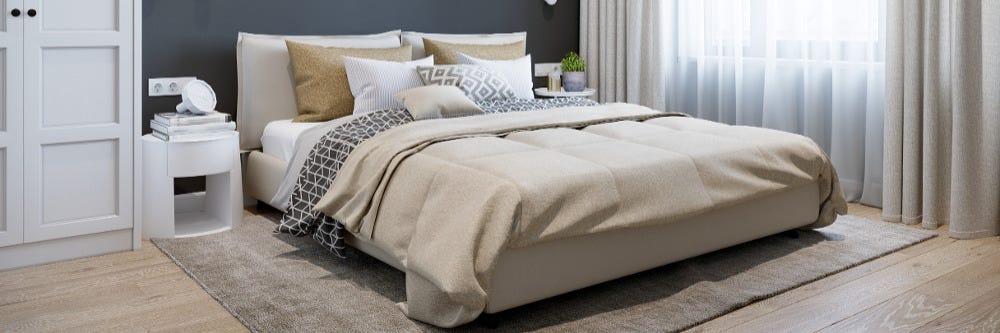
When your entire home has been sprayed with pesticides, it may be difficult to understand where to begin exactly. To make things simpler for you, pick a starting point before cleaning to know where to begin.
If numerous rooms have been treated, choose one room and move on to the next one.
By doing this, you help lessen the confusion about where to start and reduce the amount of preparation beforehand.
Discard Left Out Food
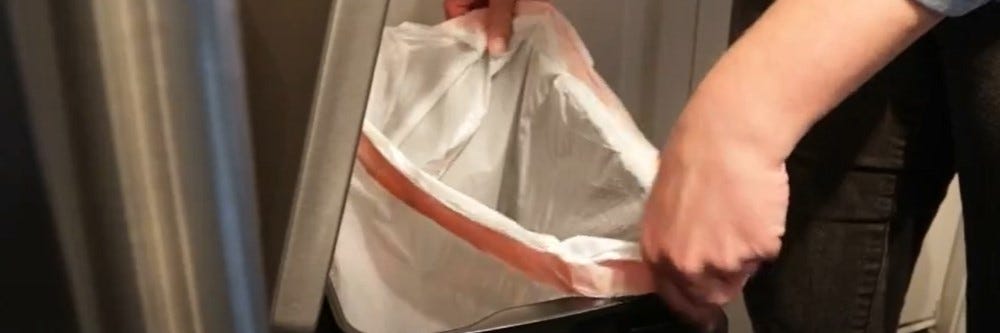
Following a pesticide spray, it is necessary to throw away any exposed food at the time of treatment.
Food items that are stored in their original packaging or unsealed items, such as cereals, bread, crackers, and more, are still susceptible to chemical exposure.
Even if items are considered safe organic pesticides, they may still be unsafe for you or your pets to consume.
In the case of canned food, you can wipe it down with a clean rag to remove residue.
The best case scenario is to always store items in a sealable plastic container to avoid future pest activity and exposure to other elements. Then, remove the food items from the area entirely before pesticide application.
Refer to the pesticide label before returning any items to treated areas.
Ventilate the Space
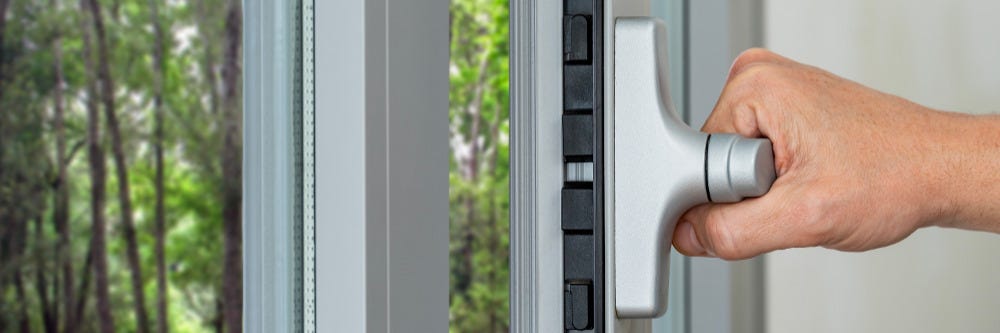
Leave the room while the pesticide spray is taking effect. When you come back into the room after the appropriate amount of time has passed, make sure to ventilate the space as much as possible.
This can be done by opening doors and windows and running ceiling fans to help clear out the air. These actions can help to remove any lingering pesticide fumes or particles in the air.
Repair Entry Points and Leaks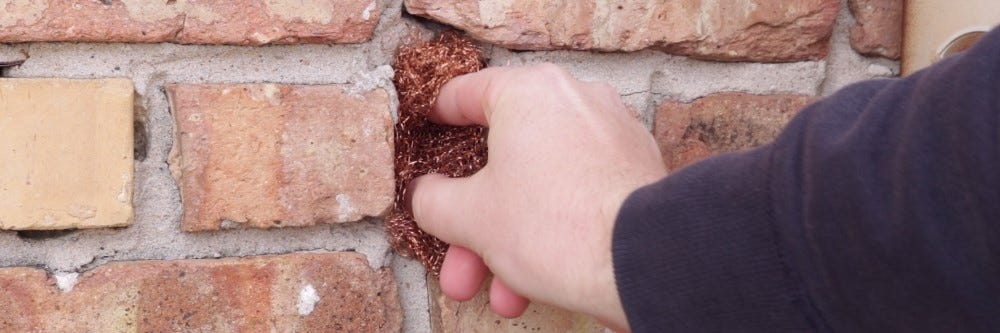
Often, most pests enter your home through the smallest to largest cracks, crevices, and other openings.
For example, mice can enter openings as small as a dime, and rats can enter openings that are the size of a quarter. Even gaps smaller than these can provide entry for pests like ants, spiders, and cockroaches.
Start by walking around the entire exterior perimeter of your home and identifying any gaps, cracks, or crevices around doors, windows, the foundation, and walls.
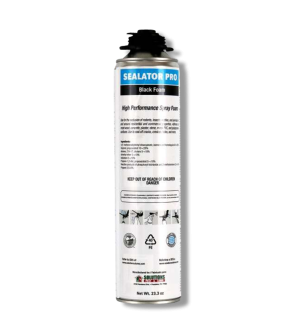
Once you have identified these areas, you can use copper mesh for larger gaps or an expanding foam like Solutions Sealator Pro Black Foam for tighter cracks and crevices.
Solutions Pro Black Foam will create airtight seals to prevent rodents, insects, reptiles, and animals from entering your home.
Stuf-fit Copper Mesh is a flexible woven material made to prevent mice, rats, and other rodents from entering a structure.
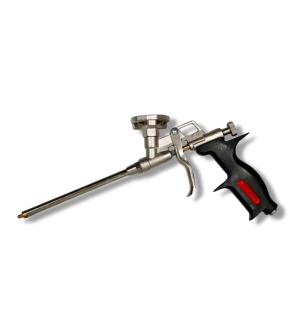
You will need to install the Solutions Sealator Pro Black Foam on a pro-grade foam application gun like the Solutions Polyurethane Foam Gun.
To use this product with the Solutions Polyurethane Foam Gun you will need to remove the lid from the foam canister, and turn the foam gun upside down. Quickly screw the Solutions Sealator Pro Black Foam onto the foam guns adapter until secure.
Once both products are connected you will then shake up and down about 20 times. Loosen the gun control knob and begin to apply the Solutions Sealator Pro Black Foam to thin cracks and crevices like joints and around window and door frames.
Replace weather strips around windows and doors that lead outside for pests to enter. Additional repairs, such as leakage from plumbing, will also need to be addressed.
Steam and Vacuum Furniture
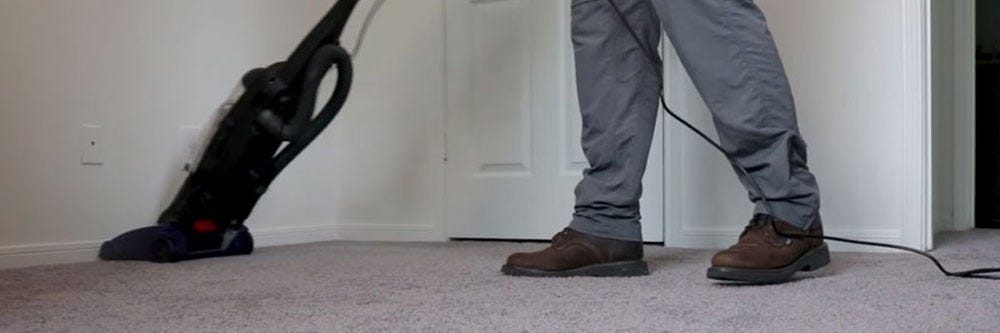
It's a good idea to steam or vacuum larger pieces of furniture like couches, chairs, and beds as well as carpeting and floors. This is crucial in eliminating any potential dead pests or eggs that may be present in your home.
Be sure to pay special attention to cracks, crevices, and spaces under cushions. Vacuuming and steaming can also help to remove any leftover pesticide residue used in the area treated.
Discard the vacuum content in an outdoor trash can away from your home's foundation to prevent any potential eggs from hatching within the device.
Wipe All Surfaces
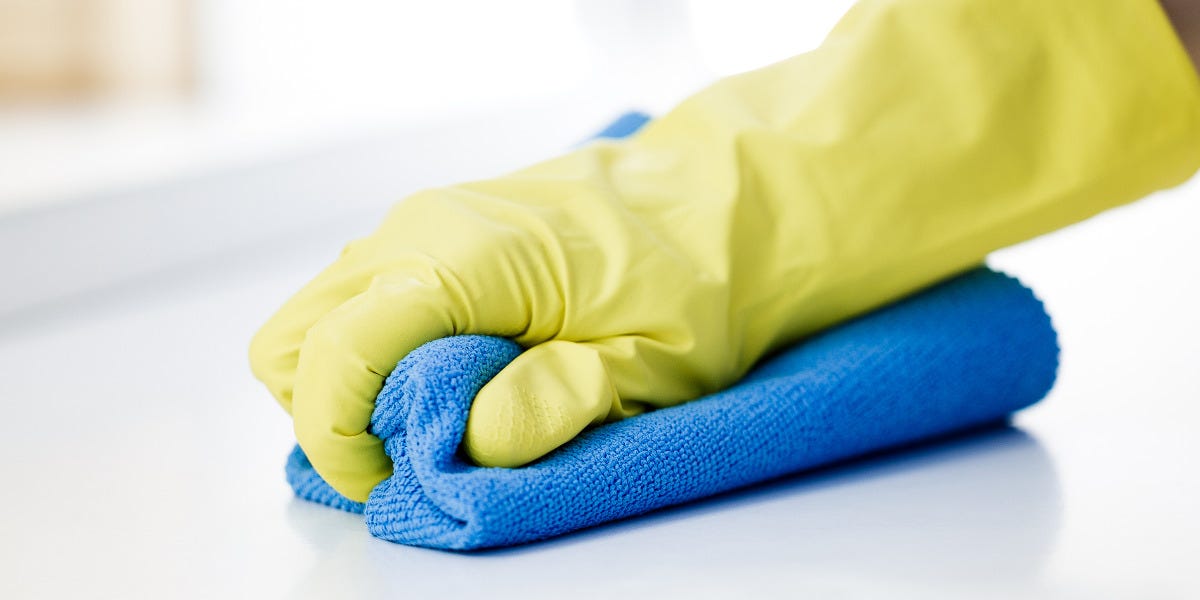
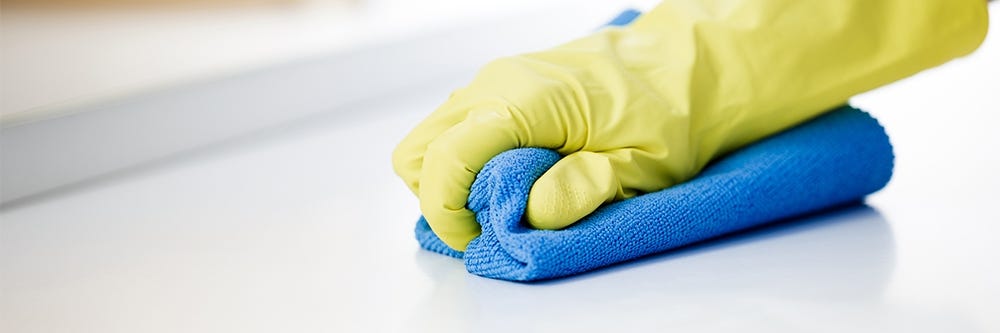 After the pesticides have dried and the proper amount of time after pesticide residual rates have passed, you can begin wiping off surfaces. Always clean from top to bottom after pesticide sprays to avoid chemical residue.
Focus on wiping surfaces that may or have been in contact with pesticides during application with warm soapy water. Common surfaces to clean are countertops, tables, shelves, windows, and other areas.
It would be best to examine the pesticide label as some chemicals may react with cleaning materials like bleach. For complete safety use warm water and soap.
Clean the Floor
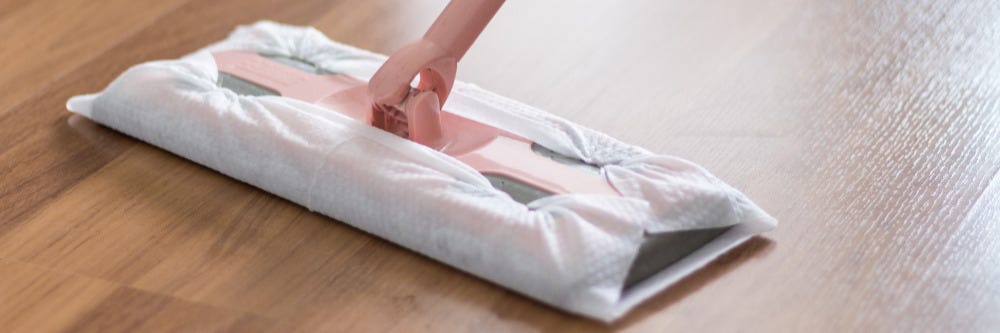
Wait until the end before you clean the floors. Mopping would be best to remove possible chemical substances that may have stuck to the ground.
When mopping your floors, stay away from the baseboard and edges of the wall that were treated with pesticides until the appropriate treatment time has passed.
To avoid oversaturated floors, squeeze any excessive water from the mop to quicken drying.
Keep Checking for Pests
 When pesticide sprays are performed, it's not uncommon to see dead insects regularly.
Often, these pests hide in walls and other out-of-sight places, which become uninhabitable depending on the pesticide and treatment method used. Simply just sweep them up and properly dispose of them.
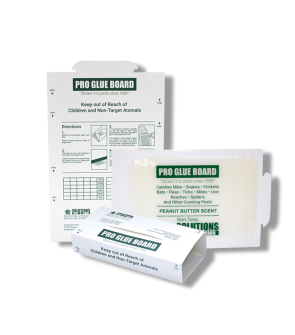
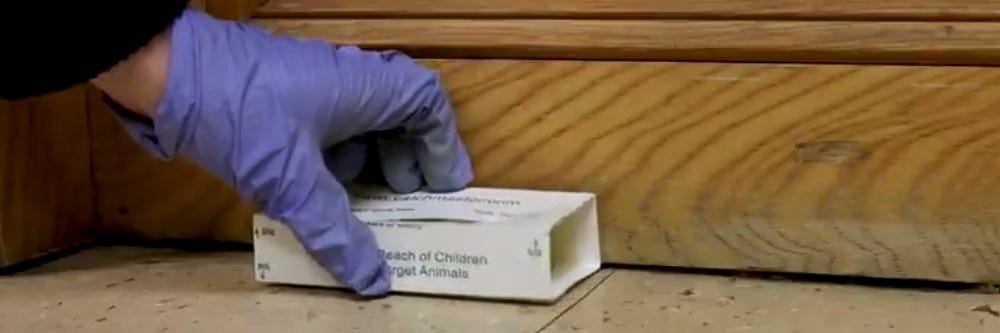
Make it a habit to monitor treated areas and sites where you have seen dead pests. Continue monitoring for any remaining insects over the following weeks with the Solutions Pro Glue Board.
The Solutions Pro Glue Board is a glue trap designed with a peanut butter adhesive to lure and capture roaches, spiders, mice, and other crawling pests. Either place the product flat or fold it into a tunnel shape for your convenience.
Simply place the Solutions Pro Glue Board along walls, baseboards, under furniture, or any other indoor area where pest activity is suspected.
By doing this, you can pinpoint when infestations are active and when to perform a second application.
Key Takeaways
How Long Do You Have to Wait to Clean After Spraying Pesticides
- The time to wait to clean will depend on the pesticide label restrictions, especially the cleaning procedures and REI (restricted entry interval).
Will Bugs Come Back After Pesticides Have Been Sprayed
- It is common to see dead bugs after pesticide sprays. This does not necessarily mean more bugs are appearing and that the treatment has failed. If you have followed all application instructions and corrected the conditions supporting their development, then infestation will most likely not reappear.
Do I Need To Wash Everything After Pest Control
- When pesticide treatments are made indoors, you will need to clean all areas where drift from the pesticide has been made (except the target area). Be mindful that if you need to clean the area where the pesticide was applied, it may lessen the control against listed pests. For this reason, we recommend cleaning within 1 inch of the treatment area. This technique allows for the pesticide treatment to remain along the surface edges where the product was legally applied to begin with. However, you will still need to refer to your products label to see if there are specific cleaning guidelines, including how how far away from the treated area you should clean and how long to wait before cleaning.