



Gain access to personalized product screening, the best pricing, rewards, and more!
Create An Account, Or Sign In.
Most Effective Products
Carpenter Ant Control: How To Get Rid of Carpenter Ants
This page is a carpenter ant control guide. Using the products and methods suggested, you will get control of carpenter ants. Follow this guide and use the recommended products, and we guarantee 100% control over carpenter ants.
Carpenter ants are known for the damage they enjoy inflicting on wood, which can devastate a home structure. Described as big black ants growing between 1/4 of an inch and 3/4 of an inch long, Carpenter ants are among the most significant types of ants found in the United States.
Though they are known to damage wood, carpenter ants don’t consume wood like termites. Instead, they like to burrow through dead or rotting wood and create tunnelways and galleries for quickly traveling from their nest to various food sources they enjoy, which are usually proteins and sugars.
When left untreated, carpenter ant infestations can become quite severe as they spend much time developing large nests within the inner workings of wooden structures. A good sign you are dealing with carpenter ants is finding frass (wood shavings, small wood particles that carpenter ants excrete while burrowing). Frass can be found indoors in piles and around door frames.
If you have an infestation of carpenter ants on the premises, you must act fast to control them before their population and the damage they cause get out of hand. The following DIY carpenter ant treatment guide contains all the necessary advice and recommendations on effectively eliminating carpenter ants and their colony invasion.
Identification
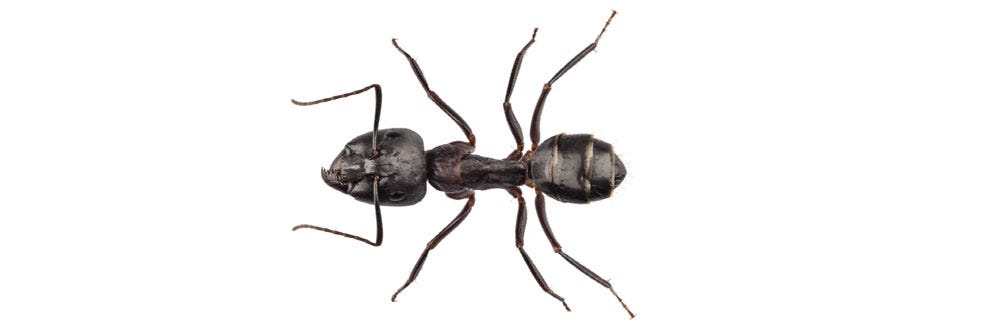
Before conducting carpenter ant treatment, you must ensure you deal with carpenter ants, not termites. Misidentification can lead to using the wrong treatment methods, costing you time and money. Many characteristics set carpenter ants apart from termites. Here is a list of attributes so you know what carpenter ants look like for easy identification.
- Carpenter ants are standard across the country and are between 0.25 to 0.75 inches long, making them one of the largest ant species.
- As a result, those who don't recognize the species sometimes refer to Carpenter ants as "big black ants." In actuality, they come in a range of colors depending on the species (black, brown, red, yellow, orange, or a combination of black and red).
- Carpenter ants can be differentiated from termites by their body segments. Carpenter ants have three body segments, while termites only have two. Carpenter ants also have skinny waists, while termites have thickened abdomens with no waist.
- Termites have straight antennae, while carpenter ants have segmented antennae that curve. Regarding reproductive (alates), termites have four wings of equal size, while carpenter ants have four wings, but the hind wings are shorter than the front.
Use the image and description above to help you correctly identify carpenter ants on your property. If you are not entirely sure, contact us, and we will assist you with proper identification.
Inspection
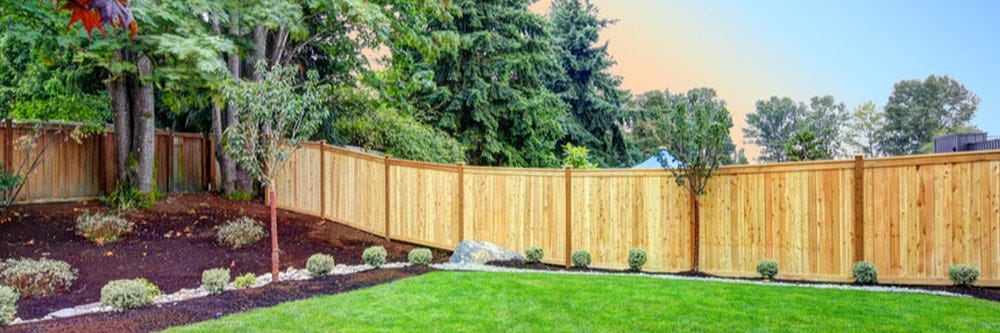
After identifying carpenter ants, you can move forward with an inspection. During the inspection, you will focus on finding the signs of a carpenter's ant infestation and where you must apply treatment products. Search at night, the time when carpenter ants are most active.
Where To Inspect
Outdoors, check woody areas that hold moisture, like fences, the outside of window frames and door frames, near outdoor faucets, wooden structures (like tool sheds and gazebos), or general yard debris (wood piles, logs, tree stumps, etc.).
Indoors check near window frames, door frames, near appliances, under sinks (where plumbing penetrates walls), and wherever there are wooden structures where high moisture content is present.
What To Look For
You're looking for signs of carpenter ants (the appearance of big black or red ants) and foraging trails. These signs include finding frass (sawdust), discarded carpenter ant wings, and noises. Termites also release frass, and it looks like small sawdust piles. If you find this sign, you might have a carpenter ant infestation.
If you find discarded wings or the winged carpenter ant itself in the daytime, you might have a carpenter ant infestation. Finally, if you hear sounds, faint rustling, or tapping inside your walls, these could mean the carpenter ants are working inside your wooden structures.
Treatment
Once you have confirmed carpenter ant activity, it is time to begin carpenter ant treatment. Remember to read all product labels, and follow the application instructions on these labels, and stay safe by wearing personal protective equipment (PPE).
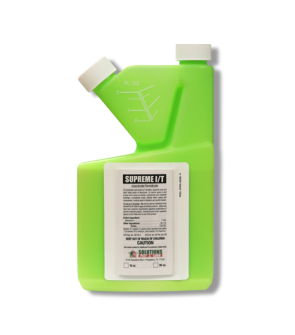
To get rid of carpenter ants, you will need to apply indoor and outdoor products for total control. Indoors, use a combination of Ficam Insect Bait and Fipro Foaming Aerosol. Outdoors, use Supreme IT Insecticide to create a barrier to keep carpenter ants away.
Step 1: Apply Ficam Insect Bait
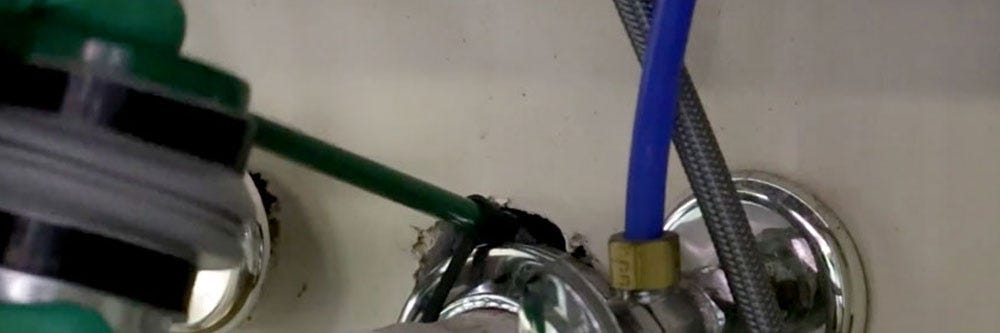
People often wonder if Borax is a good solution to kill carpenter ants. Borax can be a good solution because of its natural and versatile qualities, but a better solution is to use orthoboric acid. Boric acid is what Borax is derived from and is typically a more effective pesticide. That is why we suggest applying Ficam Insect Bait.
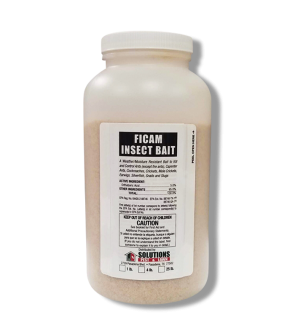
Ficam is a granular bait that can be used with a duster for easy indoor application. It can also be sprinkled outdoors around your home to treat ants in your yard. Its active ingredient is orthoboric acid, and it is specially formulated to attract ants and many other pests. Carpenter Ants will confuse the baits for food and haul them back to the colony. The bait works slowly, affecting the whole population of ants once they have all ingested it.
Using a handheld duster, apply Ficam at a rate of 2 lbs per 1,000 sq. ft. or 3.2 oz. (2/3 cup) per 100 square feet).
Apply deep into cracks and crevices. Apply around sinks and drains (underneath sinks), behind appliances, along baseboards, close to bathroom fixtures, or into the cavities of rotten or moist food.
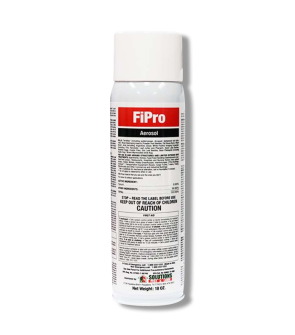
Step 2: Spray Cracks and Crevices with Fipro Foaming Aerosol
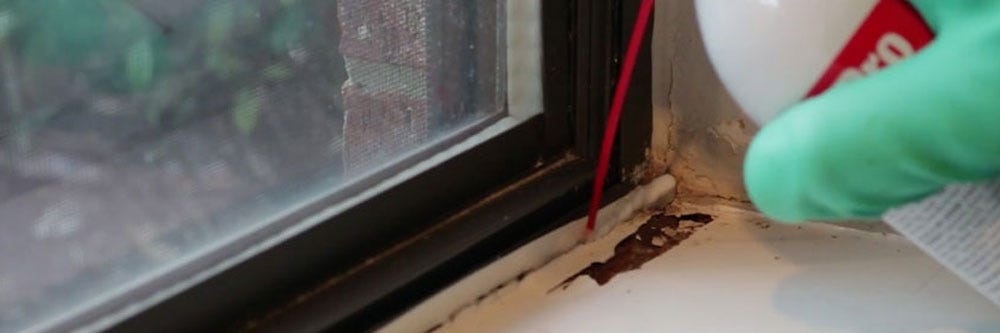
Fipro Foaming Aerosol is a non-repellent foaming insecticide perfect for spraying cracks and crevices. Ants unknowingly come into contact with the product, return to their colony, and spread the lethal active ingredient to others.
Simply insert the injection tube straw and apply it in cracks and crevices where carpenter Ant activity has been observed. You can also apply this product around windows and doors, on the plumbing under sinks, or into walls (where you have noticed frass or carpenter ant activity).
You can also apply window frames and wooden structures where carpenter ants have been observed by drilling a small hole directly into the wood and injecting it with Fipro.
Step 3: Outdoor Treatment with Supreme IT Insecticide
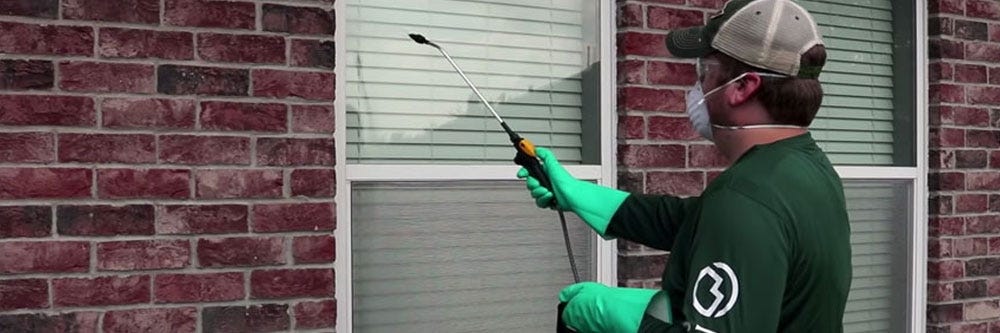
Supreme IT is a broad-spectrum insecticide labeled for carpenter ant treatment. It has a long residual effect that continues to kill for up to 90 days after application. This product is perfect for creating a perimeter barrier around your structure to prevent Carpenter ants from getting inside.
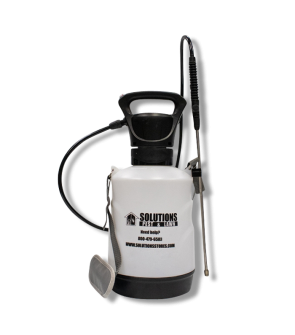
Mix 1 ounce of Supreme IT with a gallon of water inside a pump sprayer. This application rate will treat 1,000 square feet.
You'll want to do a perimeter treatment outside your home. To do this, spray 3 feet up and 3 feet out from the foundation of your structure. While spraying in this manner, also target window frames, door frames, eaves, soffits, rain gutters, garage doors, cracks and crevices, and electrical/plumbing penetrations.
As an additional measure, use Ficam to add to the perimeter barrier around your home.
Apply in a band of 2 to 4 feet and apply at the rate of 6 ounces per 100 square feet.
Also, apply around tree stumps, trees, woodpiles, and wherever there is moist or decaying wood.
Prevention
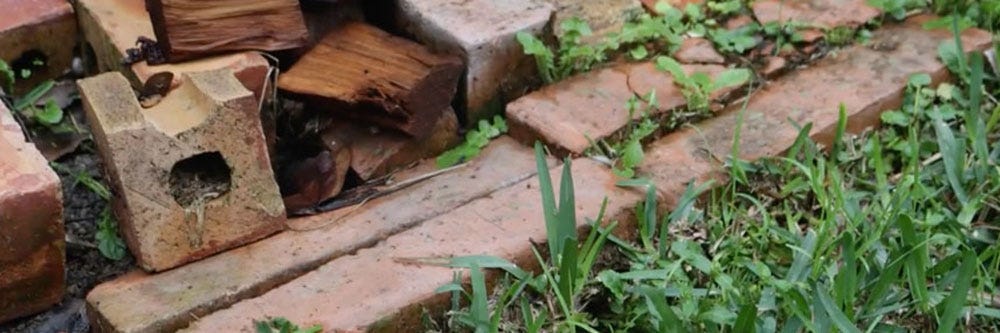
After you have treated your home and yard and killed the carpenter ants, you need to ensure they don't reinfest. Put in place the following preventative measures to keep carpenter ants off your structure:
- Start by trimming back vegetation away from your property (this includes overhanging branches that touch the roof of your structure).
- Remove wood yard debris, such as logs, woodpiles, rocks, bricks, and rotten wood, that might attract carpenter ants to your structure.
- Apply Bora-Care to prevent future infestations of termites and carpenter ants. This product can be mixed with water and then sprayed on wood, which you fear may be targeted by invading carpenter ants.
- Finally, spray Supreme IT every 90 days around the perimeter of your structure to maintain a protective insecticidal barrier on the perimeter of your structure. Apply at the rate of 1 fl. oz. of Supreme IT per 1 gallon of water per 1,000 sq. ft. Spray 3 feet up the foundation wall and 3 feet out. Be sure to also spray around window and door frames, soffits, eaves, and other crevices around the exterior of the foundation.
Key Takeaways
What are Carpenter Ants?
- Carpenter ants are destructive ants known for damaging wooden elements of homes by burrowing holes into the wood to create a nest and grow their population.
- Carpenter ants are one of the larger species of ants found worldwide and are commonly referred to as "big black ants," though they can also be red, orange, or yellow.
How To Kill or Get Rid of Carpenter Ants
- To get rid of carpenter ants, use a combination of Ficam Insect Bait and Fipro Foaming Aerosol indoors around cracks and crevices where they may be hiding. Outdoors, we recommend applying a barrier perimeter treatment of Supreme IT Insecticide.
Preventing Carpenter Ant Reinfestation
- Prevent future infestations of carpenter ants by making environmental modifications to reduce the conducive conditions they enjoy (e.g., removing leaf litter, trimming vegetation, etc.) and applying preventative treatments of Supreme IT Insecticide and Bora-Care Wood Treatments.