


Gain access to personalized product screening, the best pricing, rewards, and more!
Create An Account, Or Sign In.
Most Effective Products
Fungus Gnat Control: How To Get Rid of Fungus Gnats
This page is a general fungus gnat control guide. Using the products and methods suggested, you will get control of fungus gnats. Follow this guide and use the recommended products, and we guarantee 100% control of fungus gnats.
If you enjoy having plants indoors to liven up the place, one annoying drawback may be encountering fungus gnats. You may have had fungus gnats flying around your potted plants indoors or see them gathered outside your window, aching to get in. These nuisances are not only irritating to remove from your home, but they can also damage plants if measures are not taken to control them.
Fungus gnats are attracted to fungi and decaying matter. Potted plants inside our homes, especially ones with moist soil from overwatering, provide the perfect environment for fungus gnats to thrive.
Fungus gnats can damage plants by laying eggs on them and eating the decaying organic matter and fungus growing in the soil (hence their name). They will also eat plant roots. Fungus gnats thrive in indoor environments and grow their populations to large amounts, mainly due to the ideal moisture levels indoors.
Suppose you are dealing with pesky fungus gnats in or around your house. In that case, our DIY guide below will tell you a little about this pest and how to get rid of it quickly and affordably using expert advice and professional product recommendations.
Identification
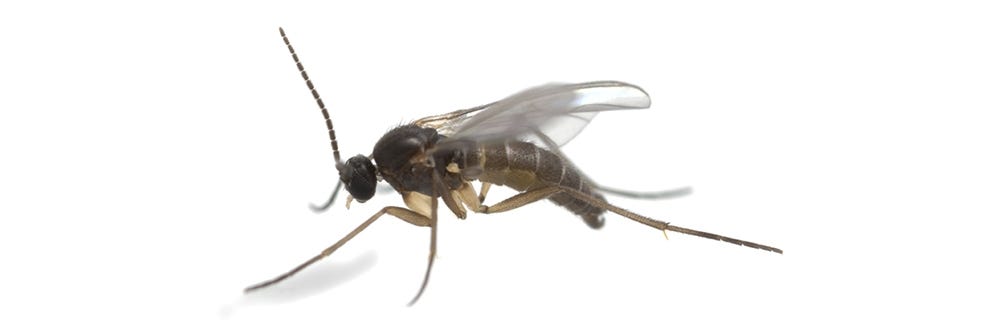
Start by making sure the pests you are dealing with are fungus gnats. Misidentification can lead to using the wrong treatment products, which will be ineffective and waste time and money.
- Fungus gnats are generally very small, around 1/8 of an inch long, with dark brown to black bodies, long legs, and long, thin wings similar to those of a mosquito.
- The key difference distinguishing them from mosquitoes is that fungus gnats do not bite.
- The areas where you find the insect most active can also help you differentiate it from mosquitoes, as fungus gnats will frequent areas with soil or potted plants.
- Gnat eggs are so small they can hardly be seen by the naked eye, but they are smooth and range in appearance from clear to white.
- During the larvae stage, gnats have worm-like bodies with shiny black heads and can be up to a 1/4 of an inch long.
Use the description and image above to help you to identify fungus gnats on your property. If you need assistance, contact us; we will help you with proper identification.
Inspection
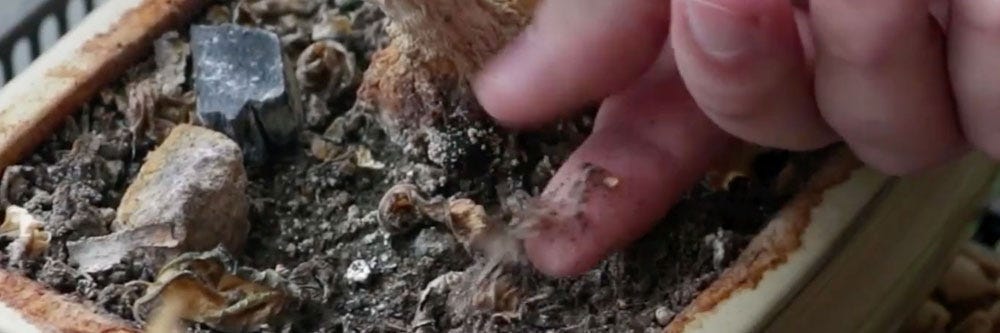
Once you have identified fungus gnats, you can move forward with an inspection. During the inspection, you will focus on finding areas where fungus gnats are most prevalent and where they are breeding to know exactly where you need to apply control.
Where To Inspect
Most fungus gnat infestations occur indoors, so search inside your home. Inspect all your potted plants and vegetation inside the home. Inspect the soil and other places where fungus and moisture are created, such as underneath sinks and near leaking pipes.
What To Look For
You're looking for adult fungus gnats and their larvae. As mentioned, fungus gnat larvae will look like small white worms with shiny black heads. Inspect the soil of the potted plants inside your home and where moisture is created.
Treatment
Once you have confirmed fungus gnat activity, it is time to begin treatment. Remember to read all product labels, follow the application instructions on these labels, and wear personal protective equipment (PPE) to stay safe.
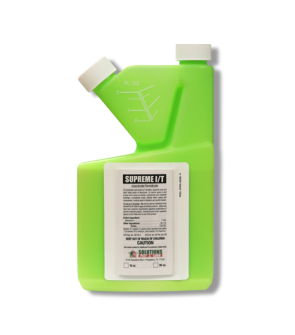
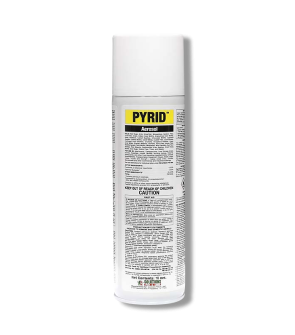
To completely control fungus gnats, remove moisture around your home and then apply a combination of Supreme IT Insecticide, Pyrid Aerosol, and Musca-Stik traps to eliminate active infestations indoors.
Step 1: Preliminary Cleanup and Moisture Reduction
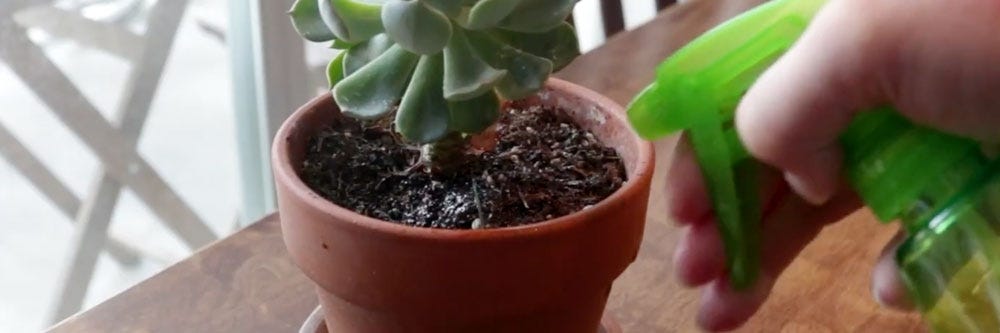
Before applying products, you need to prepare the areas for treatment. To do this, you will remove the moisture around your home and in your potted plants. Also, make sure to repair or fix leaky faucets or plumbing inside your home.
If you have found fungus gnats around plants, you are overwatering your potted plants. Minimize how often you water your potted plants using a spray bottle instead of pouring a glass of water. You can even place a raw potato in the soil to suck up some of the moisture but remember to remove it.
This raw potato will invite more pests into your home if left alone. Only water the plants when the top 1 to 3 inches of soil in your plants is completely dried.
For plants outside, improve the drainage in these areas, and do not water them as often.
Step 2: Indoor Treatment
Begin treatment indoors. You will use three products: Supreme IT, Musca-Stik, and Pyrid.
- Musca-Stik is a fly trap that uses visual and pheromone attractants to lure unsuspecting fungus gnats toward the trap.
- Supreme IT is a powerful insecticide that treats over 75 insect pests, and both repels and kills fungus gnats. It is perfect for use on outdoor and indoor potted plants.
- Pyrid Aerosol will be used as a contact spray to kill any fungus gnats you can find after treatment quickly.
Musca-Stik Fly Traps
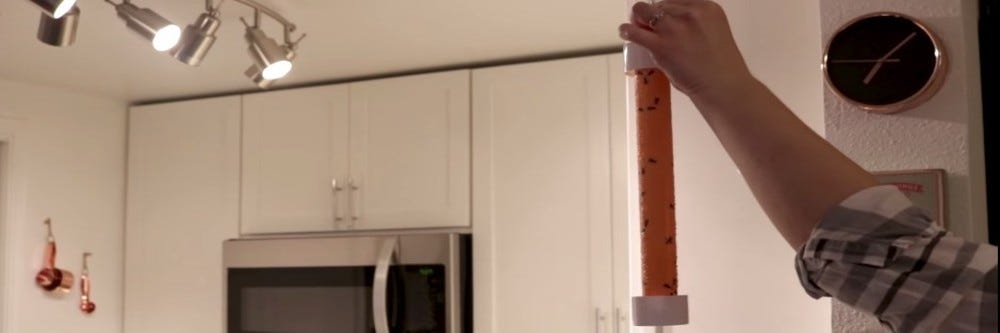
Musca-Stik is a fly trap that uses pheromones to attract fungus gnats. This is perfect for indoor use near potted plants.
Musca Stik is easy to use. Pour the pheromones at the base of the stick and place them on a hook close to the areas where fungus gnats have been observed. The Musca-Stik will quickly attract adult fungus gnats and trap them.
Supreme IT
Measure the square footage of your treatment area in feet to determine how much Supreme IT you will need to mix. To find the square footage, measure the length and width of the treatment area, then multiply it together (length x width = square footage).
Apply 1 ounce of Supreme IT with a gallon of water to treat 1,000 sq. ft.
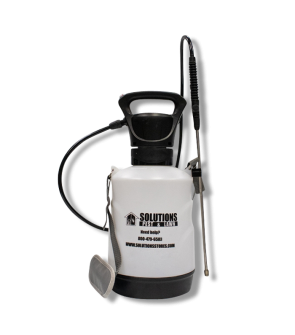
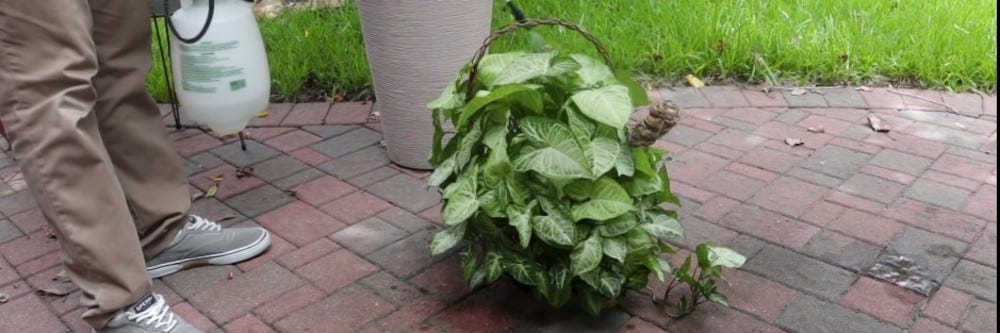
Mix the appropriate amount of Supreme IT based on your calculations inside your pump sprayer with water. Then, take all your potted plants from inside and take them outside; you will spray them with Supreme IT.
Spray a light mist over all the plants and in the soil. If you have plants outside where you have observed fungus gnats, use Supreme IT on these plants and around your yard as an extra measure.
Pyrid Aerosol
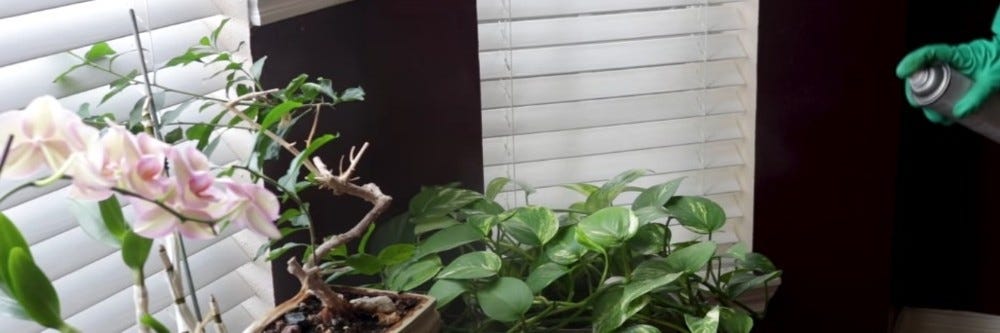
If you still see fungus gnats lingering around your home, use Pyrid Aerosol. It comes in an aerosol spray can that you can point and spray wherever you see Fungus Gnats flying on your property or on the plants they frequent.
Prevention
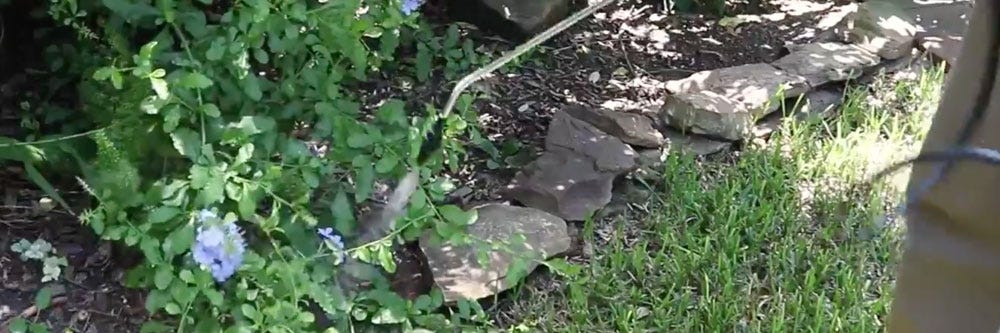
Prevention is the final step in control. You might deal with another infestation without modifying your environment and enacting preventative measures. To prevent fungus gnats, proceed with the following preventative measures:
- Start by reducing moisture around your home. Address leaky pipes, faucets, or faulty plumbing.
- Repair poor drainage in the yard. Remember not to overwater your potted plants; use a spray bottle to apply a light mist.
- Finally, apply Supreme IT every 3 months outside your structure to repel and kill Fungus Gnats that might try to get inside your home.
Key Takeaways
What are Fungus Gnats?
- Fungus Gnats are annoying flying pests that frequent soil and indoor potted plants and are usually signs of moisture issues that must be addressed.
- The worst part of fungus gnats is their larvae phase when they are the most damaging to vegetation in and around the home.
How To Get Rid of Fungus Gnats Indoors and Outdoors
- Treat fungus gnat infestations in your home using Supreme IT Insecticide, Musca-Stik traps, and Pyrid Aerosol.
- Supreme IT should be applied to your potted plants, yard plants, and ornamentals.
- Pyrid Aerosol can knock down and kill active fungus gnats directly when in contact with them.
- Musca-Stik can be hung up to capture any lingering fungus gnats flying around inside the house.
Preventing Fungus Gnat Reinfestation
- To prevent reinfestation of fungus gnats, reduce moisture around your home, do not overwater indoor potted plants, and apply Supreme IT as a preventative measure every 3 months.