



Gain access to personalized product screening, the best pricing, rewards, and more!
Create An Account, Or Sign In.
Most Effective Products
How to Seal Crack and Crevices with Expanding Foam
This page is a general DIY guide that will help you prevent and control various pests from invading your home, garage, and other structures. Following this article, we will use the recommended products to completely control future activities by unwanted pests with knowledge of expanding foam products.
Pests such as rodents, reptiles, insects, and animals will find their way into your home through the smallest openings. There are methods of reducing these infestations before they come into your home, a critical one being the type of crack and crevice sealant you use.
Spray-expanding foam is completely pest-proof due to the airtight barrier it creates. It also does not act as a breeding ground or source of food for these pests. When you think of your home, imagine it in layers, starting with the siding, substructure, and insulation. Each of these components adds to your home's durability.
Whether doing general home maintenance or implementing preventative pest control measures, it's important to seal gaps, crevices, cracks, and joints to prevent pest penetrations and access to other elements. Sealing these openings with expanding foam greatly decreases energy loss and pest infestations.
Benefits of Expanding Foam
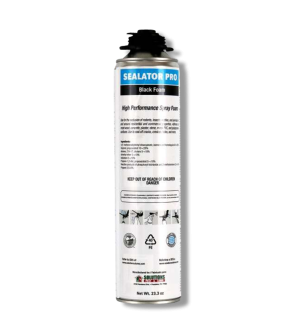
Expansion foam, like Solutions Sealator Pro Black Foam, offers a highly effective solution for reducing unwanted air and pest infiltration through cracks, crevices, and joints. It is often used for exterior and interior applications of various homes, buildings, and other structures.
An advantage of expansion foam such as polyurethane is that it can form strong, airtight seals, allowing for more durable structures and seamless insulation despite pest and weather activity.
What You Will Need
- Spray Expanding Foam Insulation
- Scraping Tool
- Foam Sealant Remover
- Disposable Gloves
- Safety Glasses
- Long-sleeved shirt, long-sleeved pants, and closed-toe shoes with socks
How to Do Crack and Crevice Treatment with Foam
Before beginning any expanding foam application, wear the proper personal protective equipment (PPE).
For outdoor applications, it would also be best to check for impending rainfall at least one day before. Depending on your choice, some expanding foam products will take time to cure.
Step 1: Determine the Application Site and Appropriate Foam
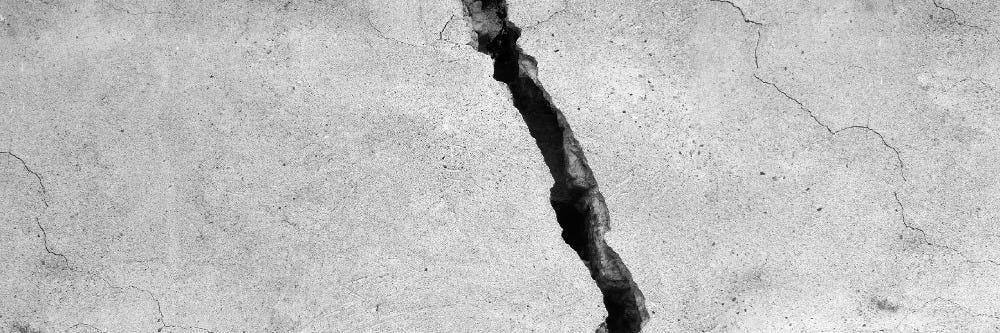
While expanding foam is a fast and easy way to seal openings outdoors and in other parts of the home, it's not ideal for all application sites.
Depending on your product label, the most common places to use expanding foam is the attic, crawl space, basement, joints, cracks, crevices, around window and door frames, and wall spaces.
However, window and door frames do not need aggressively expanding foam. Solution Sealator Pro Black Foam forms a moderate expansion, making it ideal for tight crack and crevice areas such as window and door frames.
Avoid using expanding foam products for sealing around electrical boxes, large areas like openings in walls, and areas where people or pets can come into contact with cured foam.
When applying Solutions Sealator Pro Black Foam, wear the proper personal protective equipment (PPE), such as gloves and protective eyewear.
Step 2: Prepare Crack, Crevice, Joint for Repair
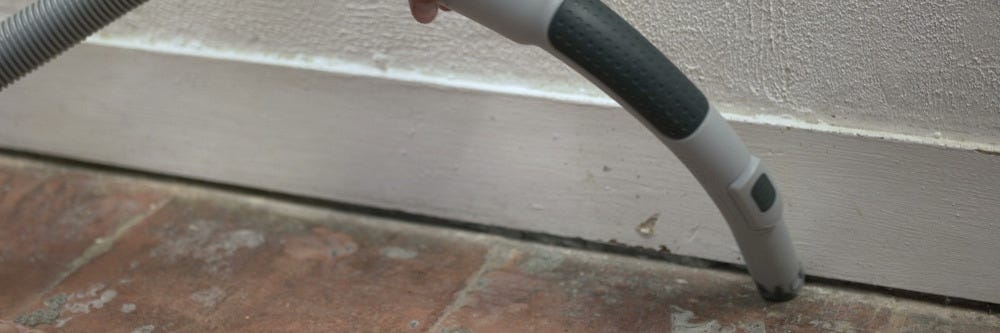
Clear cracks, crevices, and joints of debris, partially damaged filling material, dust, grease, or other loose material. Insert your scraping tool into the depth of the opening between the surfaces until the material is dislodged.
Use a vacuum cleaner, dusting tool, or wet cloth to clean the crack, crevice, or joint of any dust or other materials.
Step 3: Fill the Crack, Crevice, or Joint with Expanding Foam

Some expanding foam products have a quick expansion rate, making it difficult to remove from undesired treated surfaces. For this reason, you may want to test spray your expanding foam on a piece of paper or cardboard to understand better how fast it sprays and expands.
We recommend using Solutions Sealator Pro Black Foam. This moderate expansion foam creates an airtight seal around joints, window and door frames, and crevices against pests such as rodents, animals, insects, and more.
The best practice for applying this foam is to use a professional foam gun like the Solutions Polyurethane Foam Gun. This way, you avoid unnecessary contact with the foam and have better control over the foam application.
Before beginning, shake the canister well up and down about 20 times. Connect the spray gun with Solutions Sealator Pro Black Foam and tighten it by rotating until the can is screwed firmly into the gun connection. Open the control knob and begin applying Solutions Sealator Pro Black Foam in a continuous spray to the surface by squeezing the trigger, adjusting the amount dispensed by how hard the trigger is squeezed.
Apply the Solutions Sealator Pro Black Foam to the desired surface. When applying foam in layers, moisten slightly between each layer.
Step 4: Shape the Uncured Foam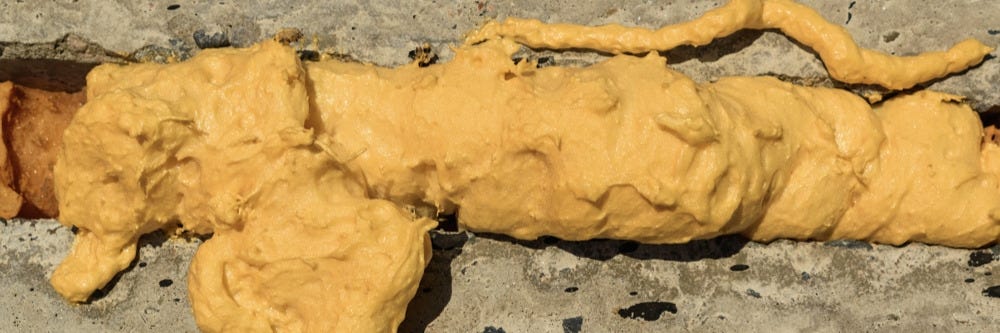
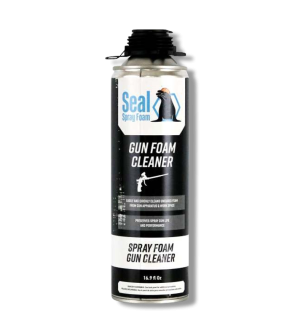
When the entire treatment area is filled with Solutions Sealator Pro Black Foam, allow enough time to dry. However, if the foam is on undesired surfaces like tools, clothing, or surfaces that come into contact with people, spray a foam gun cleaner like the Seal Spray Foam Gun Cleaner.
You may use a scraping tool, but remember that it can scratch the surface, so it would be best to remove any overspray with a foam gun remover.
Follow your selected product label to determine if foam can be shaped and needs to be uncured or cured. When ready according to the product label, trim excess foam off treated surfaces until smooth.
Step 5: Repair Treated Surfaces and Re-Caulk
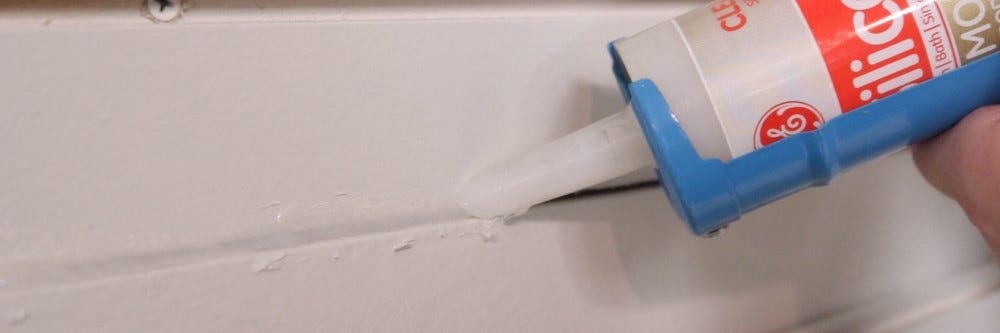
On treated surfaces, ensure the expanding foam is smooth and does not protrude from the crack, crevice, or joint unless caulking is necessary for that space. Otherwise, cracks in walls and other wall spaces will require a caulk finish after the expanding foam is applied.
Caulk over the expanding foam in areas exposed to water, such as around sinks, windows, and door frames.
Key Takeaways
Where Not To Use Expanding Foam
- Avoid expanding foam near electrical outlets or boxes, around ceiling lights or fans, open flames, on the roof, or when a waterproof barrier is needed, such as in basements.
Does Expanding Foam Need Air to Cure
- Expanding polyurethane foam sealant requires moisture in the air to expand and cure.
What To Do After Using Expanding Foam
- Shape and remove expanding foam sealant before it hardens to create a smoother finish for caulking and easy removal of undesired foam products.