


Gain access to personalized product screening, the best pricing, rewards, and more!
Create An Account, Or Sign In.
Most Effective Products
Inorganic Pesticides
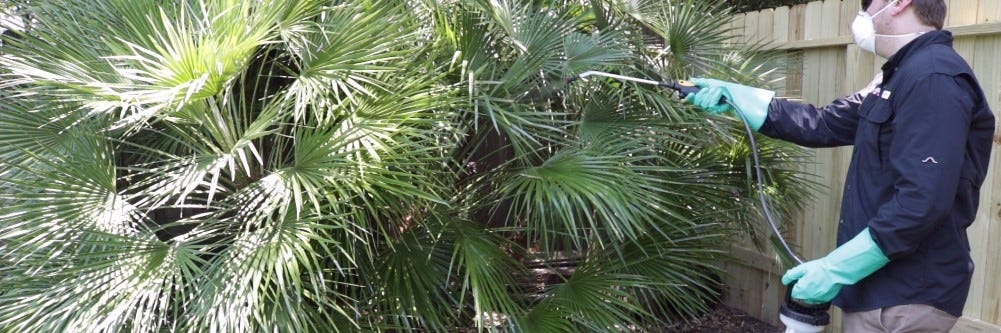
Of the many types of chemicals that address pest problems, an effective variant is Inorganic Pesticides. Scientifically, a pesticide is deemed inorganic if it does not contain the element carbon in its ingredients. Some of the more popular pesticides that pest control professionals use are classified as Inorganic.
On this page, we will explain Inorganic Pesticides, the difference between them and organic pesticides, how they work, and their benefits. You can also shop our top Inorganic Pesticide product recommendations.
What are Inorganic Pesticides?
Simply put, an inorganic pesticide is a chemical designed to destroy pests that do not contain the carbon element based on its chemical structure. This helps differentiate it from organic pesticides, which are carbon-based. The minerals used in Inorganic pesticides are mined and extracted from the earth.
Borates, sulfates, and silicates (diatomaceous earth) are some of the more popular minerals used in pesticides and are deemed organic. Inorganic pesticides also include metals such as silver and copper.
Because Inorganic Pesticides cover many minerals and materials, they can be used in many different formulations, such as dust, powders, granules, water-soluble powders, and more.
How Do Inorganic Pesticides Work?
Inorganic Pesticides differ in how they affect target pests depending on the exact mineral or active ingredient in the pesticide product. For example, the inorganic chemical Borate causes disturbances in the cells of target pests, causing them to lose energy and die.
Inorganic Pesticides that contain sulfur can be used as fungicides and insecticides. They disrupt the normal body functions of any insect that touches or eats them. Copper is another inorganic chemical used mainly as a plant fungicide, protecting plants against fungal pathogens. Other Inorganic Pesticides work by causing target pests to die from dehydration.
Benefits of Inorganic Pesticides
Inorganic Pesticides have proven to be very effective in addressing pest problems, depending on the specific ingredient and the situation in which it is used. For instance, borates have shown excellent results in termite control and in stopping termites from further damaging wood. Copper and Sulfur pesticides have demonstrated excellent control and suppression of various fungicides that may infect vulnerable plants.
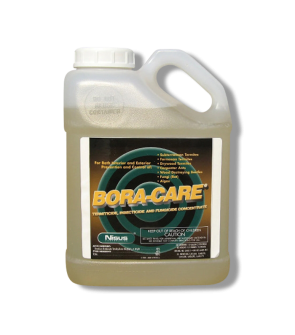
Another benefit of most inorganic pesticides is their residual effect. They tend to be effective for much longer because they only partially break down after application. For example, treating wood with Boracare (which contains Borate) can protect against termite infestations for up to 7 years.
Choose an inorganic pesticide when you desire an effective pesticide treatment option with long-lasting results.
Drawbacks of Inorganic Pesticides
Inorganic Pesticides are usually riskier to use than organic pesticides. If you mishandle the product, you can harm non-intended targets, the ecosystem, or the environment.
Inorganic pesticides may be slower-acting than conventional pesticides, but some pesticides are mixed with PBO (piperonyl butoxide) to achieve faster results.
If you desire a safer method of pest control, there are alternatives to inorganic pesticides that may be a better option for you.
Are Inorganic Pesticides Safe?
Inorganic Pesticides are safe if you apply them carefully according to the label directions. Take the proper precautions and wear personal protective equipment (gloves, protective eyewear, a safety mask, etc.).
What To Expect
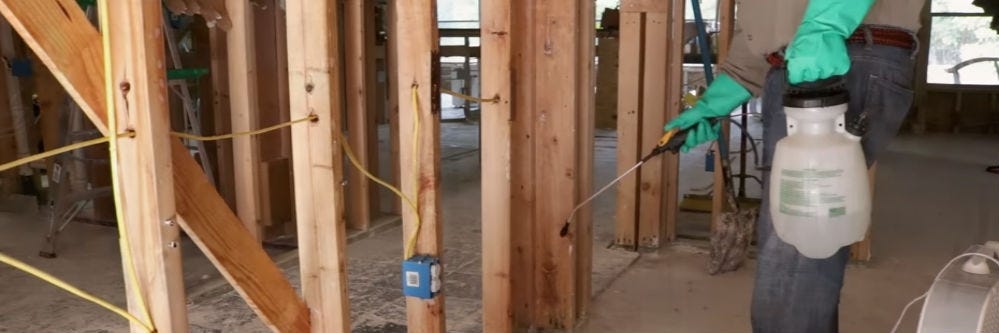
Depending on the Inorganic Pesticide being used, you can see varying results in the time it takes to kill or suppress the target pest. Closely monitor the areas where you have applied the product to determine whether you need to make any reapplications.
Featured Products
Boracare Termite Treatment - is a unique borate-based termiticide, insecticide, and fungicide product that provides prevention and control against termites, wood-destroying beetles, carpenter ants, and decay fungi for up to 30 years.
Ficam Insect Bait—is a ready-to-use granular insecticide made with orthoboric acid that controls many different crawling insects. Insects ingest the bait, and within a couple of weeks, colonies are eliminated. Ficam is weather and moisture-resistant, making it effective indoors and outdoors for insect control.
Kocide 3000 Copper Fungicide—is a copper-based fungicide and bactericide specially formulated to treat diseases on trees and crops. It uses the active ingredient Copper Hydroxide to prevent crop-destroying diseases such as blight, black spot, downy mildew, and more.