

Gain access to personalized product screening, the best pricing, rewards, and more!
Create An Account, Or Sign In.
Most Effective Products
Cadelle Control: How to Get Rid of Cadelles
This page is a general DIY guide on cadelles control. Using the products and methods suggested, you will get control of cadelles. Follow this guide and use the recommended products, and we guarantee 100% control over cadelles.
If you notice holes in wood around stored food or see pests in stored grain, you've likely heard of cadelles, beetles from the family Trogossitidae that are a major threat in grain storage. Also known as cadelle beetle, bread beetle, bolting cloth beetle, or tenebroides mauritanicus this pest can cause serious problems because the larvae not only feeds on stored food, but also on wood that holds these items and other nearby wood.
This dual threat is especially dangerous because wood damage often goes unnoticed until it becomes severe. Over time, the infestation can weaken the integrity of wooden items, leading to costly repairs or replacements. Unlike many other pantry pests, the cadelle beetle’s ability to target both food and wood makes it a particularly challenging pest to control.
Because they don’t produce visible webbing or large infestations like some other pests, it can be difficult to realize you have a problem. Additionally, their ability to thrive in both stored food and wooden materials means that controlling them requires a thorough, multi-faceted approach.
From ruining your food to damaging wood in your home, these beetles present a unique and stubborn challenge. Early identification and effective control measures are key to protecting your pantry and property from this destructive pest. Read on to learn how to prevent and control cadelles with the helpful tips and products in our DIY guide.
Identification

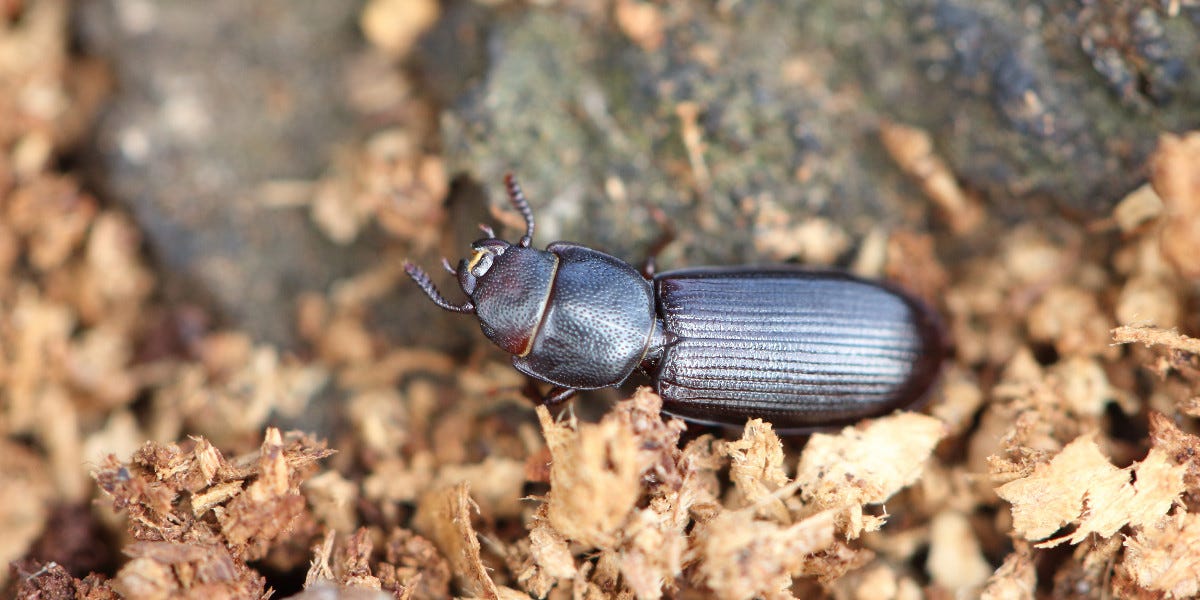
Before treatment, you must ensure you’re dealing with cadelles. Careless identification can lead to using the wrong treatment products, which can cost you time and money. Refer to the following characteristics to know what cadelles look like:
- Cadelles are shiny, dark brown to black beetles that typically measure between 1/3 to 3/8 inches long, making them the largest stored grain beetle pests. Its antennae, legs, and underside are reddish brown, contrasting with its shiny, dark upper body. Their antennae are moderately long and slightly clubbed at the ends.
- They have an elongated, flattened capsule-shaped body with a distinct pinched waist or constriction between the head and thorax, giving them a two-part appearance.
- Cadelle larvae are creamy white, shiny, and worm-like, growing up to 1 inch long. They have black heads and two black, horn-like projections at the tail end.
- Cadelle beetles are often mistaken for darkling beetles due to their similar dark color and habitat, but they differ in size and shape. Darkling beetles are smaller than cadelles at 0.13 to 0.25 inches. The major physical difference between these pests is that cadelle beetles have a distinct, narrow constriction between the thorax and abdomen, while darkling beetles have a more uniform, oval-shaped body without this separation.
Use the image and description above to help identify cadelles. If you are unsure, contact us, and we will help you determine the problem.
Inspection
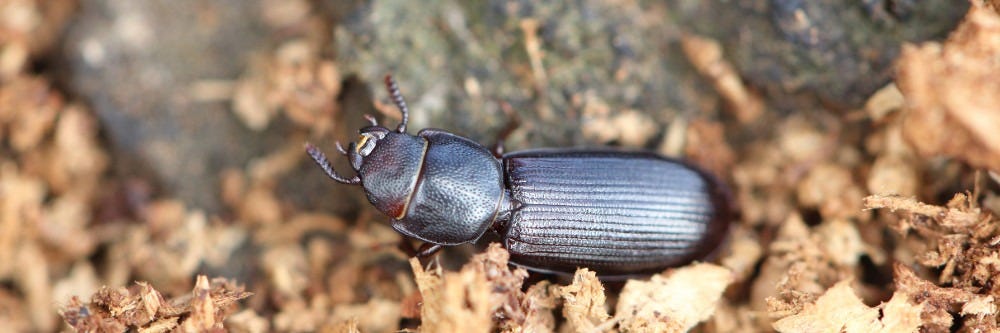
Once you have identified the cadelles, you need to know the areas that cadelles are infesting. During the inspection, you will focus on finding these hotspots where they are commonly found.
Where to Inspect
Cadelles are frequently found in stored food products and wood.
They are commonly found in grain storage facilities, flour mills, granaries, storehouses, food processing plants, warehouses, and even household pantries, where they feed on dry food products such as grains, flour, nuts, dried fruits, stored animal feed, oats, corn, cereals, spices, bread, meal, potatoes, and vegetables.
In addition to damaging food, cadelles can also bore into wooden storage bins, storage crates, pallets, shelves, and other older, soft wood involved in food storage.
What to Look For
Both adult cadelle beetles and their larvae cause significant damage by gnawing through cardboard boxes, sacks, wooden containers, and wooden structures.
You may notice infested food products that is hollowed out, dusty, clumped, and with insect fragments or the pest themselves.
In addition to food damage, cadelles chew through wooden bins, barrels, sacks, and cardboard cartons, leaving behind small irregular holes and tunnels. This damage weakens storage containers and packaging, often creating entry points for other pests.
Treatment
Once you have confirmed cadelle activity, you can begin treatment. Be sure to wear the proper personal protective equipment (PPE) when mixing and applying pesticides.
Cadelles are destructive pests that infest stored food products and can be particularly difficult to eliminate because their larvae can bore into wood, where they can remain hidden for up to a year before emerging as adults.
Pesticides that contain permethins, pyrethrins, deltamethrin, cypermethrin, or bifenthrin are most effective against cadelles.
Step 1: Deep Clean and Remove Food
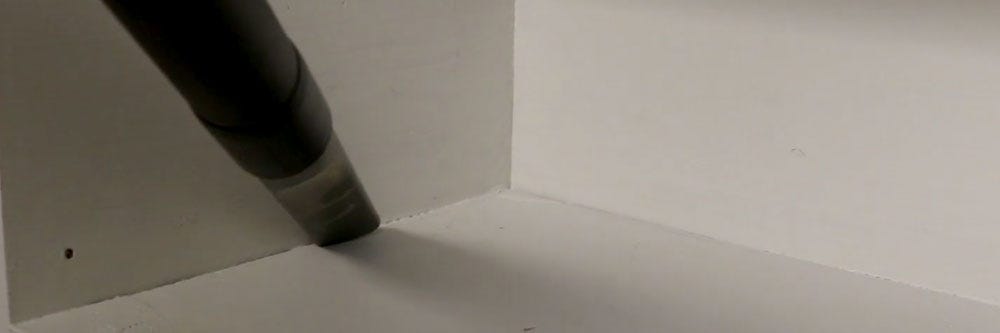 Since cadelle larvae can live for over a year and bore into wood to hide and reproduce, relying on pesticides in home pantries is generally ineffective.
These pests often retreat deep into wooden shelves, bins, or wall crevices, where sprays can't reach and aren't approved for use near food. Because of this, cleaning and discarding infested food is far more effective than attempting to use chemicals and traps.
Start by emptying all shelves, food storage containers, and throwing away all food where pests were spotted. It may sound extreme, but the disposal of all foodstuffs ensures better control.
Use a vacuum to clean all pantry surfaces, focusing on cracks, corners, baseboards, and the backs of shelves.
After vacuuming, wash all shelves, cupboards, and pantry walls with a cloth soaked in hot water to remove all food residue.
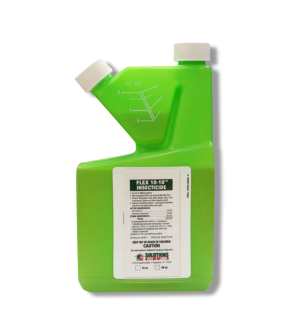
Step 2: Apply Flex 10-10 Insecticide
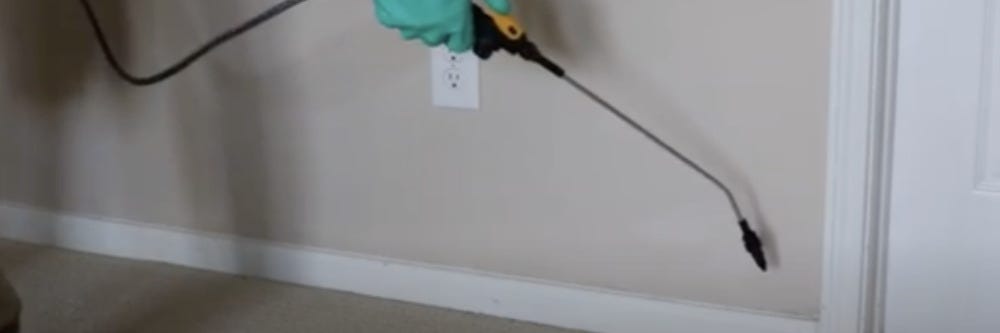 After thoroughly cleaning your pantry and discarding any infested food, we recommend using a residual insecticide outside of the pantry to prevent and control cadelles.
Flex 10-10 is an effective synthetic insecticide concentrate that controls a broad-spectrum of pests indoors and outdoors. Once applied, it creates a 30-day residual barrier that helps to keep cadelles and other pests away.
It should never be sprayed directly in pantries or on or near food, food containers, or food-contact surfaces. Remove food and food utensils before application.
It may be used in nonfood and nonfeed areas such as garbage rooms, garages, bakeries, flour mills, granaries, food processing plants, homes, restaurants, warehouses, and more.
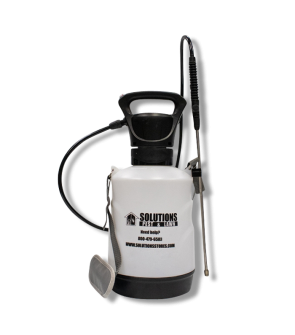
This insecticide will need to be mixed with water in a handheld pump sprayer.
For a standard cadelle infestation, dilute 3.2 fl. oz. of Flex 10-10 per gallon of spray dilution. This means you would mix one part concentrate to 39 parts water.
For severe cadelle infestations, use 6.4 fl. oz. of product per gallon of spray solution (1:19). You would mix one part concentrate with 19 parts water.
Flex 10-10 can be applied to cracks, crevices, and voids in non-food storage areas, such as around baseboards, wall voids, and the wooden structures of storage rooms or warehouses, especially where cadelles may hide or bore into wood.
It can also be used around the exterior of buildings to prevent insects from entering.
In commercial storage facilities, it may be applied to structural wood components away from any stored food.
Keep people and pets away from treated areas until the spray has dried.
Let the treated surfaces dry completely before returning food or utensils to the area.
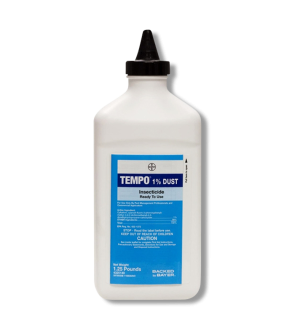
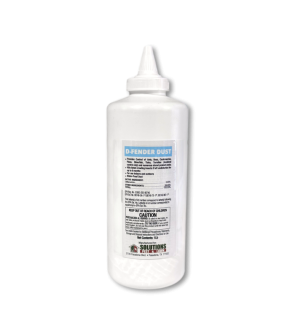
Step 3: Use D-Fender Dust Insecticide
 After applying Flex 10-10 to treat accessible cracks and crevices, D-Fender Dust can be used as a follow-up treatment to provide long-term residual control of cadelles in areas where they may continue to hide.
D-Fender Dust is a residual insecticide dust containing deltamethrin, designed to kill insects by contact and provide long-term control in cracks, crevices, and voids.
To control cadelles using D-Fender Dust, apply it lightly and uniformly in areas where these insects are likely to hide or travel, especially around wooden structures near infested food storage.
Focus on cracks and crevices, under shelving, wall voids, and areas behind or under cabinets, cupboards, sinks, and refrigerators. It's also effective along baseboards, door and window frames, and around plumbing or electrical entry points, anywhere cadelles might retreat or lay eggs.
Do not use inside pantries or on/near food, food containers, or food-contact surfaces.
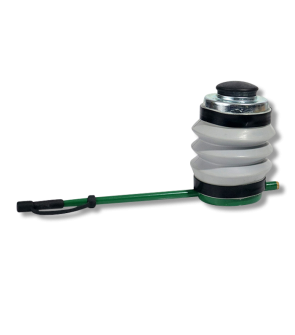
To use this product, we suggest using a handheld duster or bulb duster.
Determine how much D-Fender Dust to use by measuring the square footage of the treatment area. Find the square footage by measuring the treatment area's length and width in feet, then multiplying them together (length X width = square footage).
Apply 1 oz. of D-Fender Dust per 125 sq. ft. or 1/2 lb. per 1,000 square feet
Repeat after 10 days only if needed to maintain control. Do not apply more than 2 times per year.
Prevention
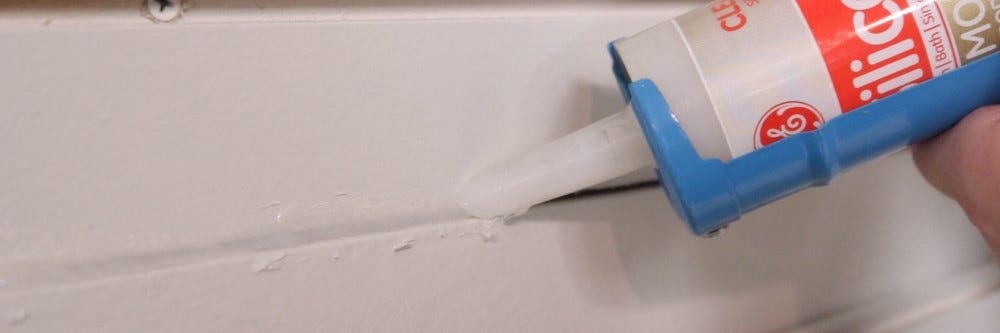 Once you have controlled cadelles, you will need to take preventative measures to ensure these pests do not return. Some ways to prevent cadelles can be seen below:
- To prevent cadelles from infesting your pantry and property, it's essential to maintain a clean, dry, and well-organized storage space. Regularly clean shelves, vacuum cracks and corners, and remove any spilled food or crumbs that could attract pests.
- Store food in airtight containers made of glass, metal, or thick plastic with secured lids, as cadelles can chew through cardboard and thin plastic packaging.
- Before bringing new food into your home, inspect the packaging for any signs of damage or contamination, and consider freezing food for a few days to kill hidden eggs. Practice proper food rotation by using older items first and moving newer items to the back.
- These beetles love to hide and breed in tiny gaps around shelves, walls, and wooden storage bins. By using caulk or wood filler to close off these entry points, you cut off their safe spots and make your pantry much less inviting.
- If you want to keep cadelles from making a comeback, reapplying treatments like Flex 10-10 and D-Fender Dust is key. Apply Flex 10-10 spray to cracks, crevices, and wooden structures in non-food areas to create a residual barrier lasting about 30 days. Once dry, follow up with a light application of D-Fender Dust in hidden spots like wall voids and behind cabinets, which provides long-lasting protection for up to 8 months. Avoid applying either product directly on food or inside pantries.
Key Takeaways
What are Cadelles
- Cadelles are destructive pests that are known to be the largest stored grain beetle pest that infest stored grains and dry food products. Unlike many pantry pests, their larvae can bore into wooden shelves or storage bins, where they can stay hidden for up to a year before emerging as adults.
How to Get Rid of Cadelles
- To get rid of cadelle beetles we suggest a deep cleaning and disposal of all food items in the infested area. Next, apply Flex 10-10 and D-Fender Dust.
Preventing Cadelle Reinfestation
- To prevent cadelles, keep your pantry clean, dry, and well-organized, storing food in airtight plastic containers with secured lids. Regularly inspect food packing for damage, seal cracks and crevices around food storage areas, and reapply Flex 10-10 every 30 days and D-Fender Dust every 8 months.