


Gain access to personalized product screening, the best pricing, rewards, and more!
Create An Account, Or Sign In.


NUFARM
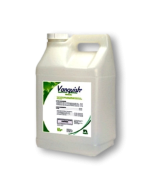
Vanquish Herbicide
Vanquish Herbicide provides fast, powerful control of over 200 broadleaf weeds, tough brush, and invasive vine species on noncropland such as golf courses, lawns, and forest site preparation for effective, long-lasting vegetation management.
As low as
$148.86
Only %1 left
SKU
Vanquish Herbicide Product Page
Min : 148.86 - Max : 148.86
Price as of
10/22/26
10/22/26
Price Transparency
See how our pricing compares to other online retailers for this item.
Vanquish Herbicide, manufactured by Nufarm, is a powerful post-emergent herbicide built for serious control over various broadleaf weeds, brush, and vines primarily for vegetation management (VM) applications within noncrop lands.
This herbicide concentrate is formulated with dicamba, a proven growth-regulator herbicide that selectively controls broadleaf weeds while leaving grasses largely unharmed when used correctly. Because Vanquish controls so many species with a single product, it offers strong economic value, especially on large acreage. For municipalities, utilities, and land managers, this means fewer products in inventory, lower treatment cost, and simplified planning and logistics.
With control of more than 200 species, a low-volatile dicamba formulation, and outstanding tank-mix flexibility, Vanquish Herbicide is a cornerstone herbicide for anyone managing large, demanding properties. When weeds are tough, resistant, woody, or vine-like and failure isn’t an option Vanquish Herbicide consistently delivers.
Tools Needed
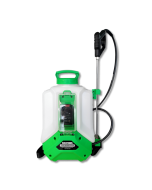
A handheld pump sprayer, backpack sprayer, hose-end sprayer, spray rig, or aircraft equipment will be needed.
How to Use
- Step 1: Determine how much Vanquish Herbicide to use by measuring the square footage of the treatment area. Find the square footage by measuring the treatment area's length and width in feet, then multiply them together (length X width = square footage). For acreage, take the square footage and divide it by one acre (square footage / 43,560 sq. ft. = acres). To control annual weeds in turf and lawns, apply 1 to 3 1/4 teaspoons of Vanquish Herbicide per 1 gallon of water per 1,000 sq. ft. For biennial weed control in turf and lawns, use 1 to 4 1/2 teaspoons of product per 1 gallon of water per 1,000 sq. ft. For perennial, woody brush and vine control in turf and lawns, mix 2 1/4 to 4 1/2 teaspoons of product per 1 gallon of water per 1,000 sq. ft. Refer to the product label for specific application rates and restrictions.
- Step 2: Fill the sprayer with half the amount of water, add the proper amount of product, and pour in the remaining half of the water. Add adjuvants to the spray tank last. Close the tank lid and shake until thoroughly mixed.
- Step 3: Spray the top and bottom of the weed leaves until wet, but not to the point of runoff. Retreatments may be made as needed; however, do not exceed the total maximum application rate for the specific area during a growing season.
Where to Use
Vanquish Herbicide can be used on noncrop lands in the following uses: established turf grasses (including golf courses) and lawns, rights-of-way (including roadways, utility, railroad, highway, pipeline, and rights-of-way that run through pasture and rangeland), utility facilities (including substations, pipelines, tankfarms, pumping stations, parking and storage areas, non-irrigation ditchbanks, and fencerows), fencerows, natural areas (including wildlife management areas, wildlife openings, wildlife habitats, recreation areas, campgrounds, trailheads and trails) and forest site preparation.
When to Use
Apply when weeds are actively growing. For best performance against biennial weeds, make application when they are in the rosette stage.
Safety Information
Vanquish Herbicide is safe for people and pets when applied according to the product label instructions. Always wear the proper personal protective equipment (PPE) when mixing and applying this product.
Do not allow people or pets to enter treated areas until 24 hours have passed after application or longer until the spray has dried.
Special Considerations
It may cause injury to desirable trees and plants, particularly beans, cotton, flowers, fruit trees, grapes, ornamentals, peas, potatoes, soybeans, sunflowers, tobacco, tomatoes, and other broadleaf plants when contacting their roots, stems, or foliage. These plants are most sensitive to Vanquish during their development or growing stage.
| Restricted Use | No |
|---|---|
| Shipping Restrictions | AK, AL, AR, AZ, CA, CO, DC, DE, FL, GA, HI, IA, ID, IL, IN, KY, LA, MA, MD, ME, MI, MN, MO, MS, MT, NC, ND, NE, NH, NJ, NM, NV, NY, OH, OK, OR, PA, RI, SC, SD, TN, TX, UT, VA, VT, WA, WI, WV, WY |
| Availability | Online |
| Signal Word | CAUTION |
| Keith's Pro Tip | "To avoid injury to desirable plants, equipment used to apply Vanquish should be thoroughly cleaned (see Procedure for Cleaning Spray Equipment section) before reusing to apply any other chemicals." |
| Time to Kill | Vanquish Herbicide will control weeds within 30 days. |
| Chemical Type | Herbicide |
| Formulation | Emulsifiable Concentrate (EC) |
| Application Methods | Broadcast Spray, Spot Treatment |
| Product Drawbacks | Injury to desirable broadleaf plants will occur if spray is allowed to contact their foliage, stems, or roots. |
| Active Ingredient | Dicamba 56.8% |
| Application Equipment | Aerial Application Equipment, Backpack Sprayer, Hose End Sprayer, Pump Sprayer, Spray Rig |
| Mix Rate | To control annual weeds in turf and lawns, apply 1 to 3 1/4 teaspoons of Vanquish Herbicide per 1 gallon of water per 1,000 sq. ft. For biennial weed control in turf and lawns, use 1 to 4 1/2 teaspoons of product per 1 gallon of water per 1,000 sq. ft. For perennial, woody brush and vine control in turf and lawns, mix 2 1/4 to 4 1/2 teaspoons of product per 1 gallon of water per 1,000 sq. ft. |
| Use Sites | Outdoors |
| Yield | 2.5 gallons of Vanquish Herbicide covers 6-10 acres. |
| EPA Registration No. | 228-397 |
| Shelf Life | Vanquish Herbicide will last for 3 years when stored in a dry, clean area. |
| Comparable Products | Drexel Dicamba DGA Herbicide, Hi-Yield Range and Pasture Dicamba + D, Cruise Control Dicamba Herbicide |
| Children or pets? | No |
| Property Characteristics | None |
| Availability | Online |
| Restricted Use | No |
| Brand | NUFARM |
| Keith's Pro Tips | "To avoid injury to desirable plants, equipment used to apply Vanquish should be thoroughly cleaned (see Procedure for Cleaning Spray Equipment section) before reusing to apply any other chemicals." |
| Product Drawbacks | Injury to desirable broadleaf plants will occur if spray is allowed to contact their foliage, stems, or roots. |
| Target Pests | Ailanthus, Alder, Alfalfa, Annual Clover, Annual Fleabane, Annual Sowthistle, Annual Wormwood, Ash, Aspen, Basswood, Bedstraw, Beech, Birch, Bitter Rubberweed, Bitterdock, Black Henbane, Black Knapweed, Black Locust, Black Medic, Black Nightshade, Blackberry, Blackgum, Bladder Campion, Bracken Fern, Bracted Plantain, Brazilian Peppertree, Bristly Starbur, Broadleaf Dock, Buckhorn Plantain, Buckvine, Buffalobur, Bull Thistle, Bur Ragweed, Burcucumber, Bursage, California Burclover, Canada Goldenrod, Canada Thistle, Carelessweed, Carolina Geranium, Carolina Horsenettle, Cherry, Chicory, Chinquapin, Climbing Milkweed, Coffee Senna, Common Broomweed, Common Burdock, Common Chickweed, Common Cocklebur, Common Dandelion, Common Eveningprimrose, Common Goldenweed, Common Lambsquarters, Common Mallow, Common Milkweed, Common Purslane, Common Ragweed, Common Spikeweed, Common Sunflower, Common Wormwood, Common Yarrow, Common Yellow Woodsorrel, Corn Chamomile, Corn Cockle, Corn Spurry, Cottonwood, Cow Cockle, Creeping Waterprimrose, Creeping Woodsorrel, Cucumbertree, Curly Dock, Cutleaf Eveningprimrose, Cypressweed, Dalmatian Toadflax, Dewberry, Diffuse Knapweed, Dogfennel, Dogwood, Dwarf Mallow, Eastern Persimmon, Eastern Red Cedar, Elm, Fanweed, Field Bindweed, Field Chickweed, Field Pennycress, Florida Beggarweed, Florida Pusley, Frenchweed, Fringed Sagebrush, Gallberry, Giant Ragweed, Grape, Green Smartweed, Gromwell, Hackberry, Halfshrub Sundrop, Hawkweed, Hawthorn, Hedge Bindweed, Hemlock, Hemp Dogbane, Hemp Sesbania, Henbit, Hickory, Honeylocust, Honeysuckle, Honeyvine Milkweed, Hop Clover, Hornbeam, Horseweed, Huckleberry, Huisache, Ironweed, Ivyleaf Morningglory, Jerusalem Artichoke, Jimsonweed, Knotweed, Kochia, Kudzu, Ladysthumb, Lakeweed, Lanceleaf Ragweed, Louisiana Wormwood, Macartney Rose, Maple, Marestail, Mayweed, Mesquite, Milk Thistle, Missouri Goldenrod, Mouseear Chickweed, Multiflora Rose, Musk Thistle, Nettleleaf Goosefoot, Nightflowering Catchfly, Oak, Pennsylvania Smartweed, Peppergrass, Perennial Sowthistle, Pigweed, Pine, Plumeless Thistle, Poison Ivy, Poison Oak, Pokeweed, Poorjoe, Poplar, Povertyweed, Prickly Lettuce, Prickly Sida, Prostrate Pigweed, Puncturevine, Rabbitbrush, Red Sorrel, Redroot Pigweed, Redvine, Rough Pigweed, Rough Sumpweed, Roughseed Buttercup, Russian Knapweed, Russian Olive, Russian Thistle, Sand Plum, Sassafras, Servicea Lespediza, Serviceberry, Sheep Sorrel, Shepherdspurse, Sicklepod, Silverleaf Nightshade, Slender Aster, Smooth Bedstraw, Smooth Pigweed, Sowthistle, Spanishneedles, Spicebush, Spiny Amaranth, Spiny Aster, Spiny Pigweed, Spiny Sowthistle, Spotted Knapweed, Spruce, Spurge, Stinging Nettle, Stinkweed, Sumac, Sunflower (Volunteer), Swamp Smartweed, Sweetclover, Sweetgum, Sycamore, Tall Buttercup, Tall Morningglory, Tansy Ragwort, Tansymustard, Tarbush, Teasel, Teaweed, Texas Blueweed, Thornapple, Tree-Of-Heaven, Tropic Croton, Tropical Soda Apple, Trumpetcreeper, Tumble Pigweed, Velvetleaf, Venice Mallow, Vetch, Virginia Pepperweed, Waterhemlock, Waterhemp, Western Ragweed, Western Whorled Milkweed, White Cockle, White Heath Aster, White Horsenettle, Wild Buckwheat, Wild Carrot, Wild Garlic, Wild Mustard, Wild Onion, Wild Plum, Wild Radish, Wild Sunflower, Wild Violet, Willow, Witchhazel, Woolly Croton, Woolyleaf Bursage, Yankeeweed, Yaupon, Yellow Mustard, Yellow Starthistle, and Yucca. |
| Application Equipment | Aerial Application Equipment, Backpack Sprayer, Hose End Sprayer, Pump Sprayer, Spray Rig |
| Application Methods | Broadcast Spray, Spot Treatment |
| Active Ingredient | Dicamba 56.8% |
| Product Type | Herbicide |
| Formulation | Emulsifiable Concentrate (EC) |
| Application Rate | To control annual weeds in turf and lawns, apply 1 to 3 1/4 teaspoons of Vanquish Herbicide per 1 gallon of water per 1,000 sq. ft. For biennial weed control in turf and lawns, use 1 to 4 1/2 teaspoons of product per 1 gallon of water per 1,000 sq. ft. For perennial, woody brush and vine control in turf and lawns, mix 2 1/4 to 4 1/2 teaspoons of product per 1 gallon of water per 1,000 sq. ft. |
| Shelf Life | Vanquish Herbicide will last for 3 years when stored in a dry, clean area. |
| Yield | 2.5 gallons of Vanquish Herbicide covers 6-10 acres. |
| Use Sites | Outdoors |
| Time to Kill | Vanquish Herbicide will control weeds within 30 days. |
| Comparable Products | Drexel Dicamba DGA Herbicide, Hi-Yield Range and Pasture Dicamba + D, Cruise Control Dicamba Herbicide |
| Use Caution With | Centipedegrass, St Augustine |
| Incompatible Home Siding | Brick, Hardie Plank, Stone Veneer, Stucco, Wood, Vinyl |
| EPA Registration # | 228-397 |

*Price does not include freight. We guarantee our rate plus shipping will be less than anyone else's price.