



Gain access to personalized product screening, the best pricing, rewards, and more!
Create An Account, Or Sign In.


LOVELAND PRODUCTS
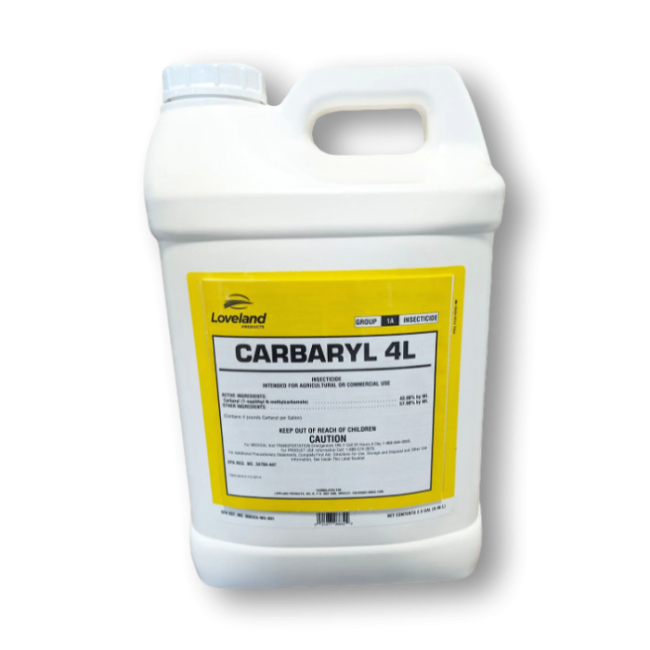
Loveland Carbaryl 4L Insecticide
Loveland Carbaryl 4L Insecticide is a powerful broad-spectrum insecticide that works on over 130 different insect pests across turf, trees, ornamentals, fruits, vegetables, and even field crops in agricultural and commercial sites.
Only %1 left
SKU
Loveland Carbaryl 4L Insecticide Product Page
Min : 225.3 - Max : 225.3

+
Price as of
10/20/26
10/20/26
Price Transparency
See how our pricing compares to other online retailers for this item.
Loveland Carbaryl 4L Insecticide, manufactured by Loveland Products, is a professional insecticide concentrate that provides a rapid knockdown, works fast, covers a wide range of insects, and can be applied with precision and confidence in agricultural and commercial foliage.
This suspended concentrate contains carbaryl 43.00%, which acts on the nervous system of chewing and sucking insects, delivering a rapid kill on contact or shortly after ingestion. Applicators will start seeing results within hours, making it ideal for high-pressure infestations.
In a world full of new, niche, and sometimes overly complex insecticides, Loveland Carbaryl 4L stands tall as a proven, dependable, and versatile option for professionals and growers alike. It brings together the power of broad-spectrum control, the convenience of liquid formulation, and the confidence of a well-known active ingredient.
Tools Needed
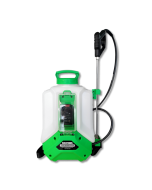
You can use aerial application equipment, a chemigation system, a backpack sprayer, or a spray rig.
A chemigation system cannot be used on turfgrass.
How to Use
- Step 1: Determine how much Loveland Carbaryl 4L Insecticide to use by measuring the square footage of the treatment area. Find the square footage by measuring the treatment area's length and width in feet, then multiplying them together (length X width = square footage). For acreage, take the square footage and divide it by one acre (square footage / 43,560 sq. ft. = acres). Depending on the pest, apply 0.75 to 6 fl. oz. of Loveland Carbaryl 4L Insecticide per 1 gallon of water per 1,000 sq. ft. of turf. For larger treatments in turf, use between 1 to 8 quarts of product per 2 gallons of water per acre. To treat ornamental trees and plants, apply 0.75 fl. oz. of product per 1 gallon of water per 1,000 sq. ft. For roses, flowers, other herbaceous plants, woody plants, evergreens, and shrubs, apply 5 fl. oz. of product per gallon of water. Refer to the product label for specific application rates and restrictions.
- Step 2: Fill the sprayer with half the amount of water, add the recommended rate of product, then pour in the last half of the water. Close the tank lid and shake until well-mixed.
- Step 3: Spray evenly across the treatment area until evenly covered. For certain pests, you will need to avoid watering treated areas for 24 hours. However, there are some pests that will require the treated area to be watered within 48 hours after treatment.
Where to Use
Loveland Carbaryl 4L Insecticide can be used for Asparagus, Brassica Leafy Vegetables, Cereal Grain Crops (Field and Pop Corn; Grain Sorghum; Rice; Sweet Corn), Cucurbit Vegetables, Flax, Forage Crops (Alfalfa, Clovers, Birdsfoot Trefoil; Pasture and Grasses Grown for Hay and/or Seed; Rangeland), Fruiting Vegetables, Leafy Vegetables, Legume Vegetables (Edible-Podded Legume Vegetables; Dried Shelled Peas and Beans (except Soybean); Soybeans; Foliage of Legume Vegetables), Noncropland (Conservation Reserve Program; Set-Aside Program Acreage; Wasteland; Rightsof-Way; Hedgerows; Ditchbanks; Roadsides), Okra, Peanuts, Prickly Pear Cactus, Root and Tuber Crops (Root and Tuber Crops except Sugar Beets and Sweet Potatoes; Sugar Beets; Sweet Potatoes), Small Fruits and Berries (Bushberries, Caneberries, Cranberries, Grapes, Strawberries), Sunflower, Tobacco, Tree Fruit Crops (Citrus Fruits; Olives; Pome Fruits; Stone Fruits), Tree Nut Crops (Pistachios; Tree Nuts), Forested Areas and Rangeland Trees, Ornamental Trees and Plants, and Turfgrass.
When to Use
For the most effective results, apply under good drying conditions when you see pests or see signs of their activity and when daytime temperatures will be 70 to low 80s degrees Fahrenheit for the following 1 to 3 days. Application with daytime temperatures in excess of 80 degrees Fahrenheit may result in overthinning.
Safety Information
Loveland Carbaryl 4L Insecticide is safe for people and pets when applied according to the product label instructions. Always wear the proper personal protective equipment (PPE) when mixing and applying this product.
Depending on the crop, there are various day restrictions (REI) that people and pets will need to stay out of the treated area. It would be best to check out the label for this reason.
Special Considerations
Do not use on Boston Ivy, Virginia creeper and Maidenhair fern as injury may result. Carbaryl may also injure Virginia and Sand pines.
The use of adjuvants may increase the potential for crop injury to sensitive crops.
| Restricted Use | No |
|---|---|
| Shipping Restrictions | AR, DC, ND |
| Availability | Online |
| Signal Word | CAUTION |
| Keith's Pro Tip | "Use row covers early in the season to better protect young plants from crop pests." |
| Time to Kill | Loveland Carbaryl 4L Insecticide will control pests within 3-4 weeks. |
| Chemical Type | Insecticide |
| Formulation | Suspended Concentrate |
| Application Methods | Broadcast Spray |
| Product Drawbacks | This product is highly toxic to bees exposed to direct treatment or residues on crops or weeds in bloom. Notifying beekeepers within 1 mile of treatment area at least 48 hours before product is applied will allow them to take additional steps to protect. |
| Active Ingredient | Carbaryl 43.00% |
| Application Equipment | Aerial Application Equipment, Backpack Sprayer, Chemigation System, Spray Rig |
| Mix Rate | Depending on the pest, apply 0.75 to 6 fl. oz. of Loveland Carbaryl 4L Insecticide per 1 gallon of water per 1,000 sq. ft. of turf. For larger treatments in turf, use between 1 to 8 quarts of product per 2 gallons of water per acre. To treat ornamental trees and plants, apply 0.75 fl. oz. of product per 1 gallon of water per 1,000 sq. ft. For roses, flowers, other herbaceous plants, woody plants, evergreens, and shrubs, apply 5 fl. oz. of product per gallon of water. |
| Use Sites | Outdoors |
| Yield | 2.5 gallons of Loveland Carbaryl 4L Insecticide coverage will vary depending on the site, and application method. |
| EPA Registration No. | 34704-447 |
| Shelf Life | Loveland Carbaryl 4L Insecticide will last for 3 years when stored in a dry, clean area. |
| Comparable Products | Carbaryl 4L Insecticide (Sevin) |
| Children or pets? | No |
| Property Characteristics | None |
| Availability | Online |
| Restricted Use | No |
| Brand | LOVELAND PRODUCTS |
| Keith's Pro Tips | "Use row covers early in the season to better protect young plants from crop pests." |
| Product Drawbacks | This product is highly toxic to bees exposed to direct treatment or residues on crops or weeds in bloom. Notifying beekeepers within 1 mile of treatment area at least 48 hours before product is applied will allow them to take additional steps to protect. |
| Target Pests | Alfalfa Caterpillar, Alfalfa Looper, Alfalfa Weevil (Larvae), American Cockroach, Ants, Apache Cicada, Apple Aphid, Apple Maggot, Apple Mealybug, Apple Pandemis, Apple Rust Mite, Armyworm, Asparagus Beetle, Aster Leafhopper, Avocado Leafroller, Azalea Leafminer, Bagworm, Bean Leaf Beetle, Bed Bug, Bees, Beet Leaf Beetle, Birch Leafminer, Black Cherry Aphid, Black Grass Bug, Black Scale, Black Scale (Crawlers), Blackmargined Aphid, Blister Beetles, Blueberry Maggot, Boxelder Bug, Boxwood Leafminer, Brown Cockroach, Brown Dog Tick, Brown Soft Scale (Crawlers), Browntail Moth, Budworms, California Orangedog, California Pearslug, California Red Scale (Crawlers), Cankerworms, Carpenter Ants, Catalpa Sphinx, Centipedes, Cherry Fruit Fly, Cherry Fruitworm, Cherry Maggot, Chestnut Weevil, Chicken Mite, Chiggers (Redbugs), Chinch Bug, Citrus Cutworm, Citrus Root Weevil (Adult), Citrus Rust Mite, Citrus Snow Scale (Crawlers), Clover Head Weevil, Cochineal Scale (Crawlers), Cockroaches, Codling Moth, Colorado Potato Beetle, Cooley Spruce Gall Aphid, Corn Earworm, Corn Rootworm Beetles (Adult), Corn Rootworms (Adult), Cowpea Curculio, Cranberry Fireworms, Cranberry Fruitworm, Cranberry Girdler, Crickets, Cucumber Beetles, Cutworms, Cypress Tip Moth, Diamondback Moth, Douglas-Fir Tussock Moth, Eastern Spruce Gall Aphid, Eastern Tent Caterpillar, Egyptian Alfalfa Weevil (Larvae), Eightspotted Forester, Elm Bark Beetles, Elm Leaf Aphid, Elm Leaf Beetle, Elm Spanworm, Eriophyid Mites, Essex Skipper, European Alfalfa Beetle, European Apple Sawfly, European Chafer, European Earwig, European Fruit Lecanium (Crawlers), European Pine Shoot Moth, European Raspberry Aphid, Eyespotted Bud Moth, Fall Armyworm, Fall Webworm, Fiery Skipper, Filbert Aphid, Filbert Leafroller, Filbert Worm, Fire Ant, Firebrat, Flea Beetles, Fleas, Forbes Scale (Crawlers), Fowl Tick, Frosted Scale (Crawler), Fruittree Leafroller, Fuller Rose Beetle, Gall Midges, Gall Wasps (Cynipid), Grape Berry Moth, Grape Colaspis, Grape Leaffolder, Grape Leafroller, Grasshoppers, Green Cloverworm, Green Fruitworm, Greenstriped Mapleworm, Gypsy Moth, Hackberry Nipplegall Maker, Harlequin Bug, Hickory Shuckworm, Holly Bud Moth, Holly Leafminer, Hornworms, Imported Cabbageworm, Imported Fire Ants, Ips Engraver Beetles, Jack Pine Budworm, Japanese Beetle, June Beetles, Lace Bugs, Lawn Moths, Leafhoppers, Leafrollers, Lecanium Scales (Crawlers), Lesser Appleworm, Lesser Mealworm, Lesser Peachtree Borer, Lesser Webworm, Lice, Limabean Pod Borer, Little Leaf Notcher (Adult), Locust Borer, Lucerne Moth, Lygus Bugs, Maple Leafcutter, Meadow Spittlebug, Mealy Plum Aphid, Mealybugs, Melonworm, Mexican Bean Beetle, Millipedes, Mimosa Webworm, Mormon Cricket, Mosquitoes, Mosquitoes (Adult), Mountain Pine Beetle, Nantucket Pine Tip Moth, Navel Orangeworm, Northern Fowl Mite, Oak Leafminers, Oak Skeletonizer, Oakworms, Oleander Caterpillar, Olive Ash Borer, Olive Scale, Olive Scale (Crawlers), Omnivorous Leafroller, Omnivorous Leaftier, Orange Tortrix, Orangestriped Oakworm, Oriental Fruit Moth, Oystershell Scale (Crawlers), Painted Lady, Painted Lady (Larvae), Pea Leaf Weevil, Pea Weevil, Peach Twig Borer, Pear Psylla, Pear Rust Mite, Pear Sawfly, Pearleaf Blister Mite, Pecan Leaf Phylloxera, Pecan Nut Casebearer, Pecan Spittlebug, Pecan Weevil, Periodical Cicada, Pickleworm, Pine Sawflies, Pine Spittlebug, Pitch Pine Tip Moth, Plant Bugs, Plant Regulator (Abscission Agent), Plum Curculio, Poinsettia Hornworm, Prune Leafhopper, Psyllids, Puss Caterpillar, Range Caterpillar, Rangeland Crane Fly, Raspberry Fruitworms, Raspberry Sawfly, Redbanded Leafroller, Redhumped Oakworm, Rednecked Peanutworm, Rose Aphid, Rose Chafer, Roseslug, Rosy Apple Aphid, Roundheaded Pine Beetle, Saddled Prominent, Saltmarsh Caterpillar, San Jose Scale (Crawlers), Sap Beetles, Sawflies, Scale Insects, Scale Insects (Crawlers), Scorpions, Silverfish, Smoky Brown Cockroach, Snowy Tree Cricket, Sod Webworms, Southwestern Corn Borer, Sowbugs, Sparganothis Fruitworm, Spiders, Spiny Elm Caterpillar, Spittlebugs, Springtails, Spruce Budworm, Spruce Needleminer, Squash Bug, Stink Bugs, Strawberry Bud Weevil, Strawberry Clipper, Strawberry Fruitworm, Strawberry Leafroller, Strawberry Weevil, Striped Grass Loopers, Subtropical Pine Tip Moth, Suckfly, Sugarcane Rootstalk Borer Weevil (Adult), Sugarcane Rootstalk Borer Weevil (Apopka Weevil), Sunflower Beetle, Sunflower Moth, Sunflower Stem Weevil Complex, Sweet Potato Weevil, Sweetpotato Hornworm, Sweetpotato Weevil, Tadpole Shrimp, Tarnished Plant Bug, Tent Caterpillars, Tentiform Leafminers, Thornbug, Threecornered Alfalfa Hopper, Thrips, Ticks, Tobacco Flea Beetle, Tomato Fruitworm, Tomato Hornworm, Tomato Pinworm, Tortoise Beetles, Tussock Moths, Twig Girdler, Variegated Leafroller, Velvetbean Caterpillar, Walnut Caterpillar, Wasps, Webworms, Western Bean Cutworm, Western Grapeleaf Skeletonizer, Western Hemlock Looper, Western Pine Beetle, Western Spruce Budworm, Western Tussock Moth, Western Yellowstriped Armyworm, White Apple Leafhopper, White Grubs, Whitefringed Beetles, Whitefringed Beetles (Adult), Willow Leaf Beetles, Woolly Apple Aphid, Woollybear Caterpillars, Yellow Scale (Crawlers), Yellow-Poplar Weevil, Yellowheaded Fireworm, and Yellowstriped Armyworm. |
| Application Equipment | Aerial Application Equipment, Backpack Sprayer, Chemigation System, Spray Rig |
| Application Methods | Broadcast Spray |
| Active Ingredient | Carbaryl 43.00% |
| Product Type | Insecticide |
| Formulation | Suspended Concentrate |
| Application Rate | Depending on the pest, apply 0.75 to 6 fl. oz. of Loveland Carbaryl 4L Insecticide per 1 gallon of water per 1,000 sq. ft. of turf. For larger treatments in turf, use between 1 to 8 quarts of product per 2 gallons of water per acre. To treat ornamental trees and plants, apply 0.75 fl. oz. of product per 1 gallon of water per 1,000 sq. ft. For roses, flowers, other herbaceous plants, woody plants, evergreens, and shrubs, apply 5 fl. oz. of product per gallon of water. |
| Shelf Life | Loveland Carbaryl 4L Insecticide will last for 3 years when stored in a dry, clean area. |
| Yield | 2.5 gallons of Loveland Carbaryl 4L Insecticide coverage will vary depending on the site, and application method. |
| Use Sites | Outdoors |
| Time to Kill | Loveland Carbaryl 4L Insecticide will control pests within 3-4 weeks. |
| Comparable Products | Carbaryl 4L Insecticide (Sevin) |
| EPA Registration # | 34704-447 |

*Price does not include freight. We guarantee our rate plus shipping will be less than anyone else's price.