



Gain access to personalized product screening, the best pricing, rewards, and more!
Create An Account, Or Sign In.


NUFARM
E-2 Herbicide
E-2 Herbicide is a powerful, high-performing post-emergent herbicide that controls over 240 tough broadleaf weeds with a convenient, pre-mixed formula in pastures, rangelands, and other non-crop areas.
As low as
$94.37
Only %1 left
SKU
E-2 Herbicide Product Page
Min : 94.37 - Max : 208

+

+
Price as of
10/18/26
10/18/26
Price Transparency
See how our pricing compares to other online retailers for this item.
E-2 Herbicide, manufactured by Nufarm, is an effective, selective post-emergent herbicide that knocks down a wide range of broadleaf weeds in recreational areas, pastures, rangelands, and other non-crop sites.
This emulsifiable concentrate formula contains a unique combination of three powerful herbicides into one convenient formulation. By using three modes of action, E-2 Herbicide is able to control over 240 broadleaf weeds, including many of the most stubborn, hard-to-kill species that often laugh in the face of standard herbicides such as clover, chickweed, and more.
E-2 Herbicide is a superb, selective post-emergent herbicide concentrate that combines three proven herbicides into one pre-mixed product by controlling various broadleaf weeds, including the most stubborn and resistant species. It’s convenient, powerful, and designed to keep your land productive for the long haul.
Tools Needed
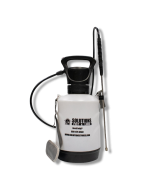
You will need a handheld pump sprayer, backpack sprayer, or spray rig.
How to Use
- Step 1: Determine how much E-2 Herbicide to use by measuring the square footage of the treatment area. Find the square footage by measuring the treatment area's length and width in feet, then multiply them together (length X width = square footage). For acreage, take the square footage and divide it by one acre (square footage / 43,560 sq. ft. = acres). To make spot treatments, mix 2 - 1/4 ounces of E-2 Herbicide per gallon of water. For pastures, rangelands, and grass apply 2 to 5 pints of product per 50 to 300 gallons of water per acre. Refer to the product label for specific application rates and restrictions.
- Step 2: Fill the sprayer tank with half the amount of water, add the proper amount of product, and pour in the remaining half of the water. Close the tank lid and shake until well-mixed.
- Step 3: Spray the top and bottom of the weed leaves until wet, but not to the point of runoff. If a second application is needed, wait until 30 days have passed from the first treatment.
Where to Use
Apply E-2 Herbicide to rights-of-ways, roadsides, industrial sites, fence rows, non-irrigation ditch banks, farmstead, recreational areas, parks and similar non-crop areas. Also for use on pastures and rangelands.
Do not use on centipedegrass, dichondria, desirable clover, bentgrass, susceptible grass pastures (such as carpetgrass, buffalograss, or St. Augustine grass), lespedeza, wild winter peas, vetch, clover, and alfalfa pastures as injury will occur.
When to Use
Make applications when weeds are present on days when temperatures are below 80 degrees Fahrenheit.
Safety Information
E-2 Herbicide is safe for people and pets when applied according to the product label instructions. Always wear the proper personal protective equipment (PPE) when mixing and applying this product.
There is no waiting period between treatment and grazing for non-lactating animals.
Do not permit meat animals being finished for slaughter to graze treated fields within 30 days of slaughter.
Do not graze lactating dairy animals within 7 days of treatment.
Keep people and pets out of the treated area until 48 hours have passed after application.
Special Considerations
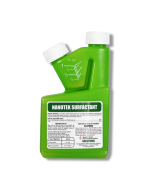
Adding oil, wetting agent, or other surfactant to the spray may be used to increase effectiveness on weeds but doing so may reduce selectivity to turf resulting in turf damage.
Treated grasses may be harvested for dry hay or silage, but do not harvest within 7 days of treatment.
| Restricted Use | No |
|---|---|
| Shipping Restrictions | VA |
| Availability | Online |
| Signal Word | WARNING |
| Keith's Pro Tip | "Weed prevention starts with maintaining a healthy, dense lawn that naturally crowds out unwanted plants. Mow your grass at the right height, water deeply but infrequently, and fertilize regularly to promote strong root growth." |
| Time to Kill | E-2 Herbicide will control weeds within 7-30 days. |
| Chemical Type | Herbicide |
| Formulation | Emulsifiable Concentrate (EC) |
| Application Methods | Broadcast Spray, Spot Treatment |
| Product Drawbacks | Avoid contact with exposed feeder roots of ornamentals and trees as injury will result. |
| Active Ingredient | Dimethylamine Salt of 2,4-Dichlorophenoxyacetic Acid 39.53% Fluroxypyr 5.90% Dicamba 4.10% |
| Application Equipment | Backpack Sprayer, Pump Sprayer, Spray Rig |
| Mix Rate | To make spot treatments, mix 2 - 1/4 ounces of E-2 Herbicide per gallon of water. For pastures, rangelands, and grass apply 2 to 5 pints of product per 50 to 300 gallons of water per acre. |
| Use Sites | Outdoors |
| Yield | 1 gallon of E-2 Herbicide will cover 1000 to 10,000 sq. ft., or about 0.25 acres. |
| EPA Registration No. | 228-442 |
| Shelf Life | E-2 Herbicide will last for 3 years when stored in a dry, clean area. Store at temperatures above 25°F. Protect the product from freezing. |
| Comparable Products | 2,4-D Amine Selective Post-Emergent Herbicide |
| Children or pets? | No |
| Property Characteristics | None |
| Availability | Online |
| Restricted Use | No |
| Brand | NUFARM |
| Keith's Pro Tips | "Weed prevention starts with maintaining a healthy, dense lawn that naturally crowds out unwanted plants. Mow your grass at the right height, water deeply but infrequently, and fertilize regularly to promote strong root growth." |
| Product Drawbacks | Avoid contact with exposed feeder roots of ornamentals and trees as injury will result. |
| Target Pests | Alder, Annual Yellow Sweetclover, Artichoke, Aster, Austrian Fieldcress, Bedstraw, Beggarticks, Bidens, Bindweed, Bird Vetch, Bitter Winter Cress, Bitterweed, Black Medic, Black Mustard, Blackseed Plantain, Blue Lettuce, Blue Vervain, Boxelder, Bracted Plantain, Brassbuttons, Bristly Oxtongue, Broadleaf Dock, Broadleaf Plantain, Broadleaf Weeds, Broomweed, Buckhorn Plantain, Bulbous Buttercup, Bull Thistle, Burdock, Burning Nettle, Burweed, Buttercup, Canada Thistle, Carolina Geranium, Carpetweed, Catchweed Bedstraw, Catnip, Catsear, Chickweed, Chicory, Cinquefoil, Cocklebur, Coffeebean, Coffeeweed, Common Chickweed, Common Mullein, Common Sowthistle, Corn Chamomile, Creeping Jenny, Crimson Clover, Croton, Cudweed, Curly Dock, Curly Indigo, Dandelion, Deadnettle, Dock, Dogbane, Dogfennel, Elderberry, English Daisy, Fall Dandelion, Falsedandelion, Falseflax, Fiddleneck, Field Bindweed, Fleabane, Flixweed, Florida Betony, Florida Pusley, Galinsoga, Garlic Mustard, Goathead, Goatsbeard, Goldenrod, Ground Ivy, Gumweed, Hairy Bittercress, Hairy Fleabane, Hawkweed, Healall, Heartleaf Drymary, Hedge Bindweed, Henbit, Hoary Cress, Hoary Plantain, Hoary Vervain, Honeysuckle, Hop Clover, Horsenettle, Horsetail, Indian Mallow, Ironweed, Jewelweed, Jimsonweed, Knawel, Kochia, Lambsquarters, Lespedeza, Loco, Lupine, Mallow, Marshelder, Matchweed, Mexicanweed, Milkvetch, Milkweed, Morningglory, Mouseear Chickweed, Mugwort, Musk Thistle, Mustard, Narrowleaf Plantain, Narrowleaf Vetch, Nettle, Orange Hawkweed, Oxalis, Oxeye Daisy, Pansy (Field), Parsley-Piert, Parsnip, Pearlwort, Pennycress, Pennywort, Pepperweed, Pigweed, Plains Coreopsis, Plantain, Poison Hemlock, Poison Ivy, Poison Oak, Pokeweed, Poorjoe, Povertyweed, Prickly Lettuce, Prickly Sida, Primrose, Prostrate Knotweed, Prostrate Pigweed, Prostrate Spurge, Prostrate Vervain, Puncturevine, Purslane, Ragweed, Red Clover, Red Sorrel, Redroot Pigweed, Redstem Filaree, Rough Cinquefoil, Rough Fleabane, Rush, Russian Pigweed, Russian Thistle, Scarlet Pimpernel, Scotch Thistle, Sheep Sorrel, Shepherdspurse, Slender Plantain, Smallflower Galinsoga, Smartweed, Smooth Pigweed, Sneezeweed, Southern Wild Rose, Sowthistle, Spanishneedles, Spatterdock, Speedwell, Spiny Amaranth, Spiny Cocklebur, Spotted Catsear, Spotted Knapweed, Spotted Spurge, Spurge, Spurweed, St. Johnswort, Stinging Nettle, Stinkweed, Stitchwort, Strawberry Clover, Sumac, Sunflower, Sweetclover, Tall Nettle, Tall Vervain, Tansy Ragwort, Tansymustard, Tanweed, Tarweed, Thistle, Toadflax, Trailing Crown Vetch, Tumble Mustard, Tumble Pigweed, Tumbleweed, Velvetleaf, Venice Mallow, Veronica, Vervain, Vetch, Virginia Buttonweed, Virginia Creeper, Virginia Pepperweed, Wavyleaf Thistle, Western Clematis, Western Salsify, White Clover, White Mustard, Wild Aster, Wild Buckwheat, Wild Carrot, Wild Four-O'Clock, Wild Garlic, Wild Geranium, Wild Lettuce, Wild Marigold, Wild Onion, Wild Parsnip, Wild Radish, Wild Rape, Wild Strawberry, Wild Sweet Potato, Willow, Witchweed, Woodsorrel, Woolly Croton, Wooly Morningglory, Wooly Plantain, Wormseed, Yarrow, and Yellow Flower Pepperweed. |
| Application Equipment | Backpack Sprayer, Pump Sprayer, Spray Rig |
| Application Methods | Broadcast Spray, Spot Treatment |
| Active Ingredient | Dimethylamine Salt of 2,4-Dichlorophenoxyacetic Acid 39.53% Fluroxypyr 5.90% Dicamba 4.10% |
| Product Type | Herbicide |
| Formulation | Emulsifiable Concentrate (EC) |
| Application Rate | To make spot treatments, mix 2 - 1/4 ounces of E-2 Herbicide per gallon of water. For pastures, rangelands, and grass apply 2 to 5 pints of product per 50 to 300 gallons of water per acre. |
| Shelf Life | E-2 Herbicide will last for 3 years when stored in a dry, clean area. Store at temperatures above 25°F. Protect the product from freezing. |
| Yield | 1 gallon of E-2 Herbicide will cover 1000 to 10,000 sq. ft., or about 0.25 acres. |
| Use Sites | Outdoors |
| Time to Kill | E-2 Herbicide will control weeds within 7-30 days. |
| Comparable Products | 2,4-D Amine Selective Post-Emergent Herbicide |
| Use Caution With | Bentgrass, Centipedegrass, St Augustine |
| Incompatible Home Siding | Brick, Hardie Plank, Stone Veneer, Stucco, Wood, Vinyl |
| EPA Registration # | 228-442 |

*Price does not include freight. We guarantee our rate plus shipping will be less than anyone else's price.