


Gain access to personalized product screening, the best pricing, rewards, and more!
Create An Account, Or Sign In.
Most Effective Products
How to Get Rid of Squirrels in the Garage
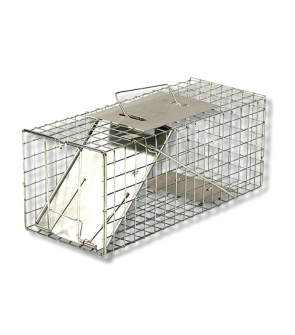
Your garage should be a place for storage or for your vehicles - not for squirrels. These cute-looking creatures can spread disease or cause fires by chewing through electrical wires. One pest control method is using a live trap to capture and remove the animal. Live trapping is a safe and effective way to keep animals away from your home.
For more information about evicting squirrels from your garage, follow our DIY guide for product recommendations and instructions.
Identification
Before using a live trap, you must ensure the wild animal in your garage is a squirrel. This will ensure that you are using the correct bait and strategies.

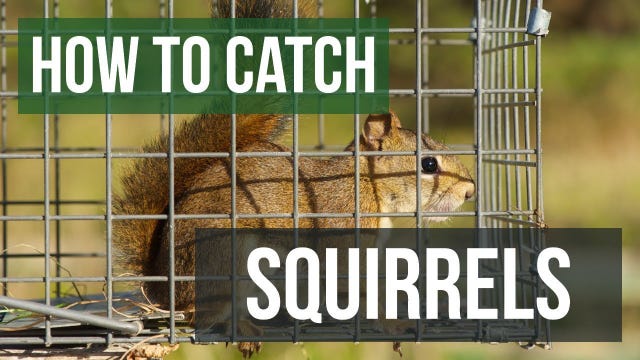
Squirrels are generally between 8 and 20 inches long and weigh no more than 2 pounds. They have a bushy tail and are excellent climbers. Squirrels are active during the day and make noises similar to barks and purrs to communicate with one another.
Use the image and description above to confirm that you are dealing with a squirrel in your garage.
Inspection
Once you have confirmed that your pest animal is a squirrel, it is helpful to recognize the areas in the garage where it is most active. This is where you will place your live trap.
Where to Inspect
Squirrels are most likely in your garage, looking for shelter once the temperature has dropped. If you have any clutter or storage bins in your garage, they are most likely burrowing in these particular spots. Search the corners and crevices as well. If you have any wiring in your garage, look closely at these to ensure they are not damaged.
What to Look For
Because squirrels are active during the day, any damage will be done now. You will want to be on the lookout for squirrel nests and any droppings or chew marks. Squirrel droppings look like small beans that are around 0.25 inches long. Be sure to scan boxes and electric wires for gnaw marks or damage.
Treatment
Now that you have identified your pest animal as a squirrel and noted areas where it is most active, you can use your live trap. Wear gloves when handling the trap to prevent leaving your scent. If a squirrel picks up a human scent on the trap, it will avoid it, making it ineffective.
Step 1: Remove Food Sources
You want the squirrel to enter the live trap with the help of bait. You also want to ensure they do not leave the garage and enter your home. Because of this, competing food sources need to be removed. Keep your trash sealed in trash bags and stored outside in bins with a lid. Other food sources, such as pet food, should be stored inside.
Step 2: Place the Trap
By now, you should have taken note of areas with high squirrel activity. These areas are where you will put your trap. Be sure to place your trap on an even surface. A squirrel might push or knock over the trap to reach the bait inside. Place a brick or weight on top of the trap to avoid this.
Step 3: Bait and Set the Trap
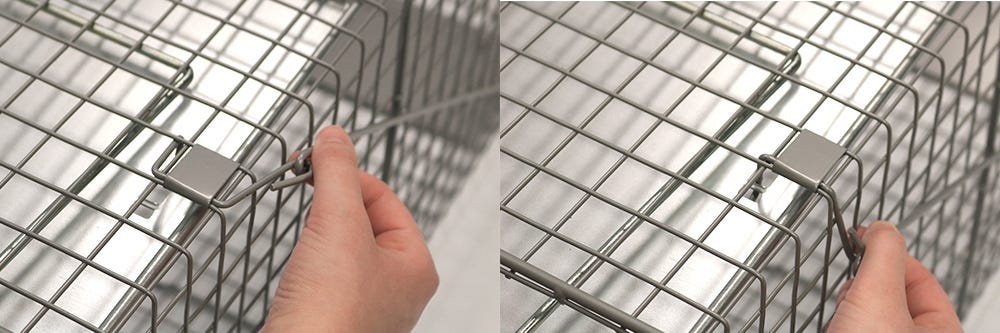
Using the proper bait will increase your chances of catching a squirrel. These animals prefer nuts and fruits, but it is best to bait with peanut butter so the squirrel cannot steal the bait and escape the trap. The bait should be placed near the back of the trap. This ensures the squirrel must step on the trigger plate to reach the food.
You will then set your trap by pushing on the door lock and lifting the door plate. Keep the door plate lifted while pulling the trigger arm forward to set it. You will know it is set when the trigger arm's hook catches the door.
Step 4: Monitor the Trap

You will need to check the traps twice a day, preferably once in the morning and once in the evening. This is when you will refill bait if needed. Checking the trap frequently may dissuade squirrels from approaching the trap. Do not keep an animal trapped in the cage for 24 hours.
Step 5: Relocate the Squirrel
Any non-target animals should be released immediately. Once you have captured a squirrel in your live trap, check with your local authorities to ensure you correctly relocate the animal. Approach the trap slowly and use a gentle voice. Place a towel over the cage to avoid frightening the squirrel. Once you have relocated far enough, carefully open the trap and release the animal.
Prevention
After using your live trap, you want to ensure that wild animals do not invade your property again. You can take some preventative measures to keep your area squirrel-free.
Sanitation
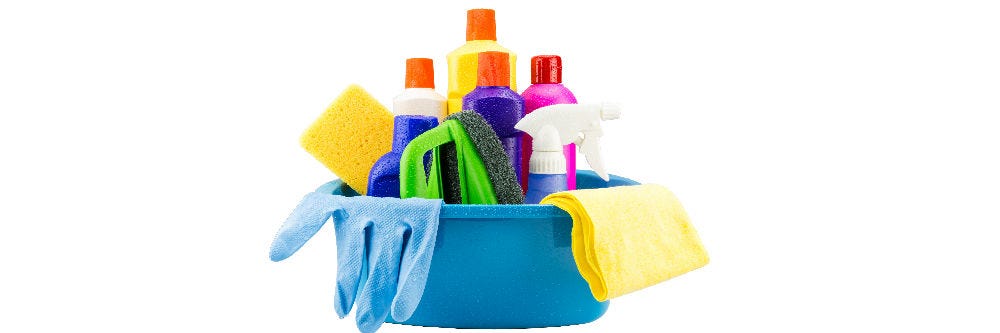
A cluttered garage will provide plenty of material for a squirrel to burrow and nest there. Be sure to remove all clutter and debris from the garage. Any potential food or water sources, especially pet food, should be properly sealed in a container and stored indoors.
Exclusion
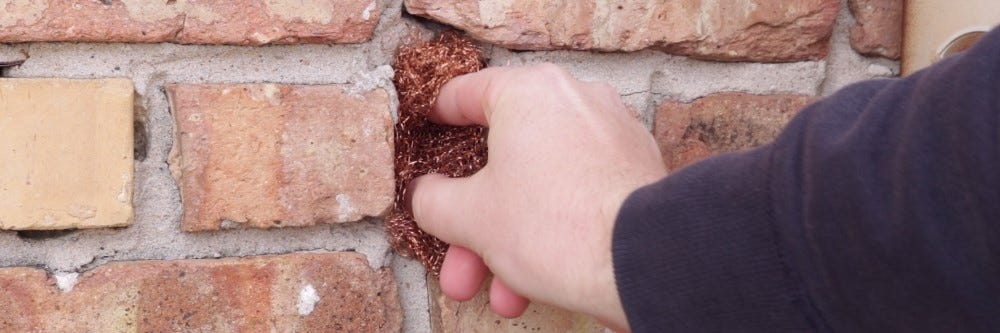
Squirrels most likely have easy access to your garage from open voids. To prevent squirrels from entering your garage or home, check the foundation for cracks and crevices. These entry points should be identified and closed immediately to prevent more pest animals from entering. Seal the entry shut with Stuf-Fit Copper Mesh and caulk. Stuf-Fit Copper Mesh is a breathable material that can be placed between the caulk and your foundation. The material prevents pest animals from chewing it, making it a great tool for exclusion.
Key Takeaways
- Squirrels are excellent climbers that are active during the day. They are most likely invading your garage, looking for food, shelter, or both. Squirrels can cause extensive damage to your property by chewing through wiring or gnawing on foundation surfaces.
- Bait the live trap with peanut butter, making sure it is placed behind the trigger plate of the trap.
- Check the trap once in the morning and once in the evening. Once a squirrel is caught, check with your local authorities to ensure you safely and correctly release it.
- Prevent squirrels from entering your garage again by removing any potential food sources and trash and sealing any cracks and crevices with Stuf-Fit Copper Mesh and caulk.